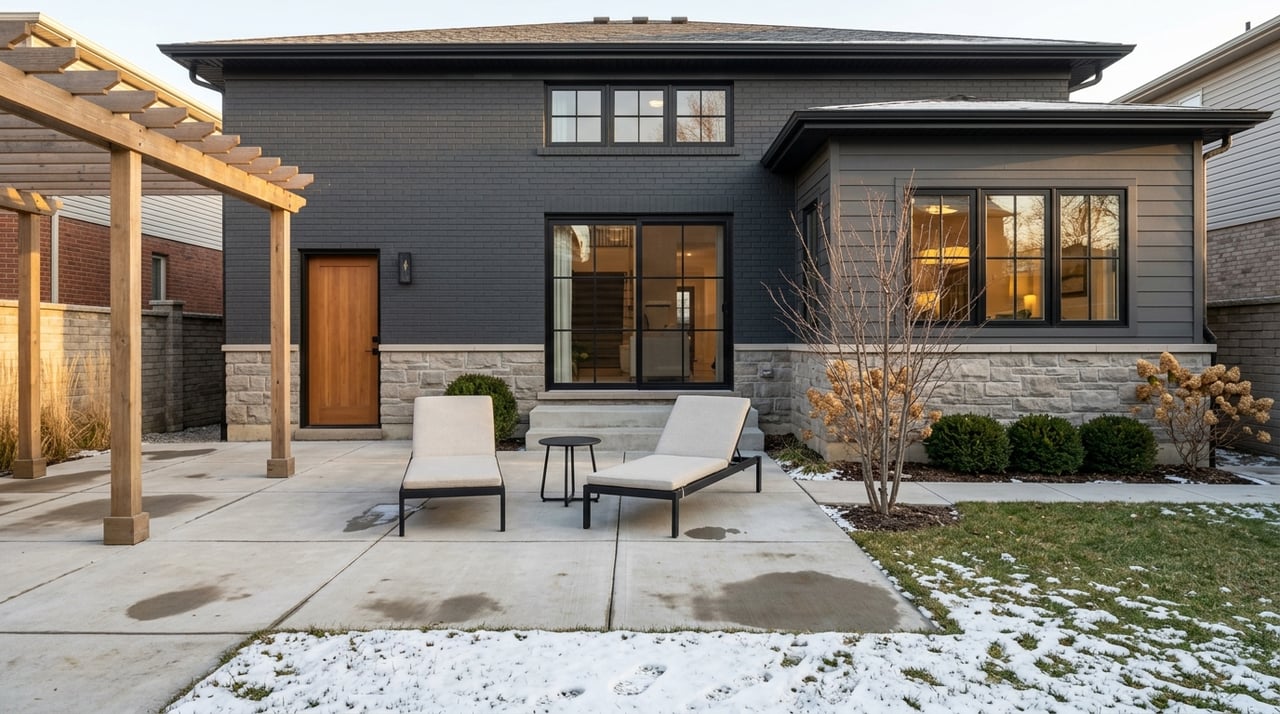
Thinking about moving from a condo or townhome into a larger home in Denver’s Highland? You are not alone, and you are not imagining the complexity. Trading up in this part of Denver can mean selling in one market segment while buying in another, each with different timing, pricing, and competition. The good news is that with the right plan, you can make the jump with more confidence and fewer surprises. Let’s dive in.
Why Highland draws move-up buyers
Highland stands out because it offers a mix of housing styles and a strong neighborhood identity. According to Visit Denver’s Highland neighborhood guide, the area is known for Victorian-era homes and buildings, gardens and parks, and a blend of older architecture with ultra-modern LoHi design.
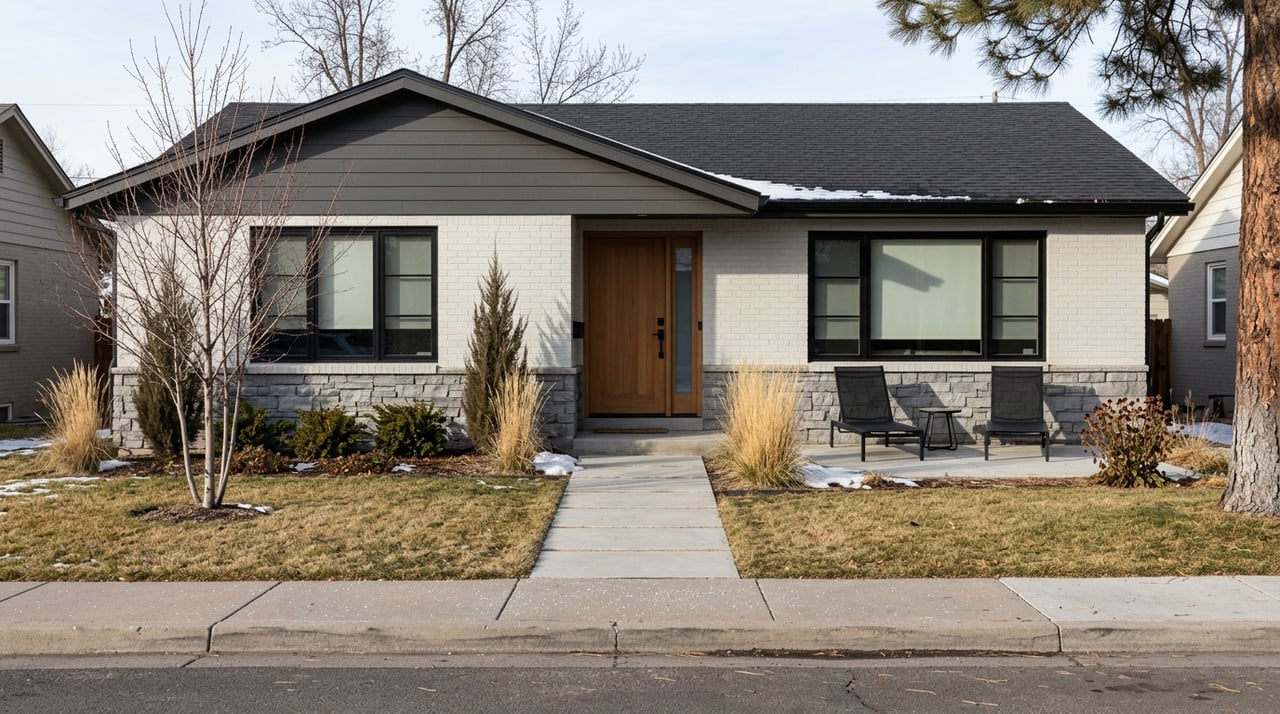
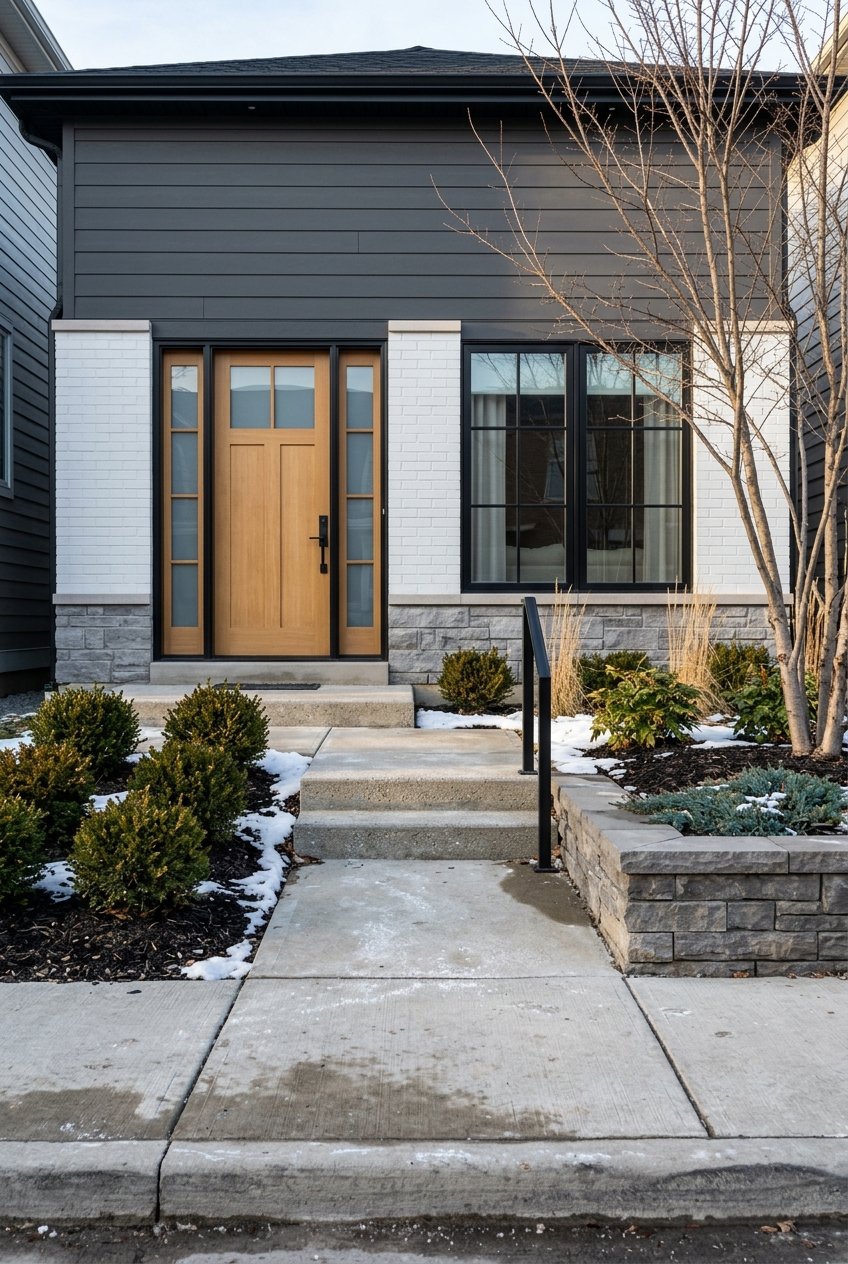
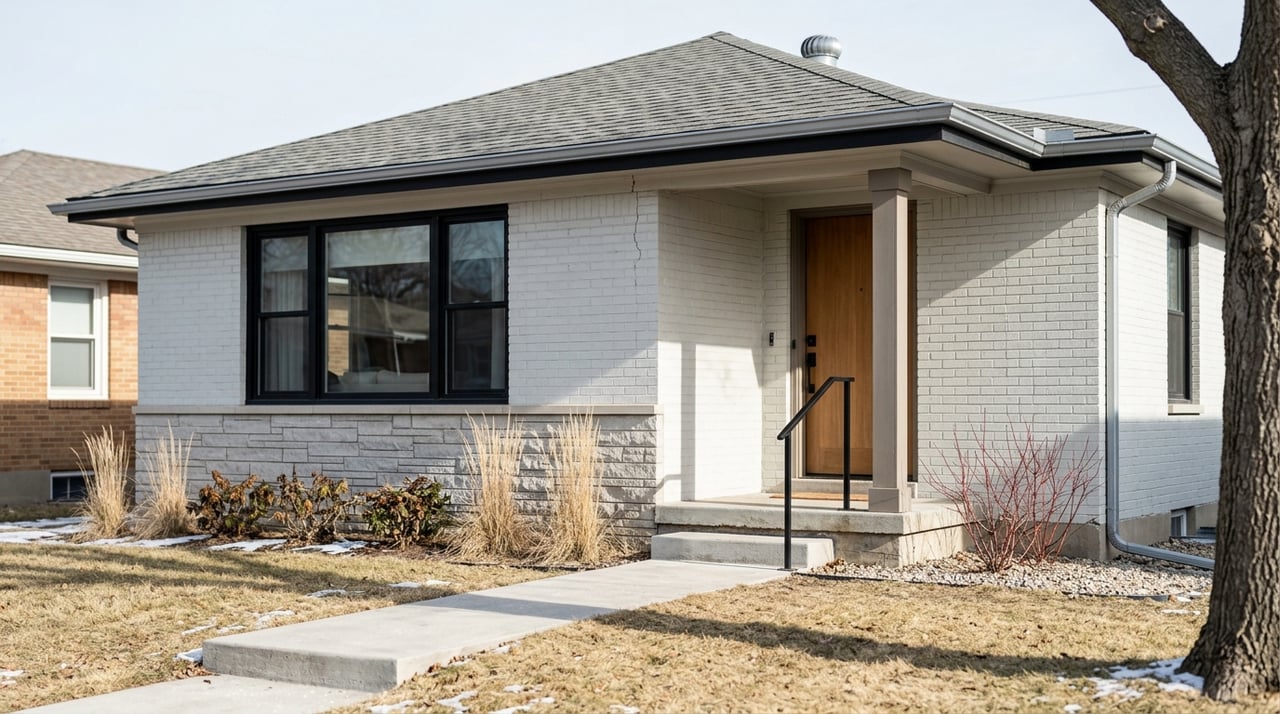
That mix matters when you are ready for more space. You may be moving from a condo or townhome into a detached home, a remodeled older property, or a home with room to grow over time. Highland also connects naturally to nearby areas like Berkeley, Sunnyside, and Sloan Lake, which can widen your options without taking you far from the lifestyle you already enjoy.
What the Highland market looks like
Highland remains a premium market by Denver standards. In March 2026, Redfin reported a median sale price of $865,000 and a median of 39 days on market. In February 2026, Realtor.com reported 91 homes for sale, a median list price of $985,000, 32 median days on market, and a 97% sale-to-list ratio.
These numbers are not directly comparable because they reflect different months and different measurements. Still, they point to the same general takeaway: Highland is an active, higher-priced neighborhood market, not one where homes are simply sitting without interest.
Competition is real, but not chaotic
If you are trying to trade up, the market tone matters just as much as the pricing. Redfin describes Highland as somewhat competitive, with the average home selling about 2% below list and going pending in around 31 days, while hot homes can go pending in about 8 days. Realtor.com labels the area balanced.
In plain English, that means you may have room to negotiate on some homes, but you should still be ready to move quickly when a well-priced property checks the right boxes. This is especially important if you are targeting detached homes, where supply can tighten faster than many buyers expect.
Why move-up buyers should watch metro trends
Highland-specific data tells only part of the story. Broader metro Denver numbers from the DMAR March 2026 Market Trends Report help explain the backdrop buyers and sellers are working within.
DMAR reported a metro median close price of $590,000, active inventory of 9,846 listings, a 99.13% close-price-to-list-price ratio, and a median of 16 days in the MLS. DMAR also noted that well-priced homes in desirable locations were seeing multiple offers.
For larger detached homes, the picture gets tighter. DMAR found that detached homes priced between $1 million and $1.499 million had just 2.56 months of inventory. Across the broader $1 million-plus detached segment, the year-to-date average time in the MLS was 62 days, with a 21-day median.
That is not a Highland-only statistic, but it is useful context if your trade-up target is a single-family home in or around Highland. Limited supply often means your search needs to be focused, your financing needs to be clear, and your decision-making needs to be timely.
Why selling a condo can feel different
One of the biggest challenges in a trade-up move is that your current home and your next home may not be behaving the same way in the market. If you own a condo or townhome, the sale side may require a more careful strategy.
According to DMAR, the attached market was the softest part of the metro market in March 2026. Closed sales were down 8.48% year over year, median days in the MLS were up 42.86% year over year, and rising HOA fees and insurance costs were weighing on buyer interest. In the $500,000 to $749,999 range, attached inventory was 4.17 months, compared with 1.86 months for single-family homes.
That does not mean your condo or townhome will not sell. It does mean you may need sharper pricing, stronger presentation, or buyer-friendly concessions to keep your move on track while you compete for a detached home on the purchase side.
How to sequence your sale and purchase
For many move-up buyers, the biggest question is simple: should you sell first or buy first? In general, the Consumer Financial Protection Bureau says people who want to move normally try to sell their current home before buying another one.
That approach can reduce risk because it gives you a clearer picture of your proceeds and your budget. It also helps you avoid carrying two homes longer than expected. The CFPB and Fannie Mae both note that selling can come with upfront costs, including improvements, closing costs, and moving expenses, and that homes can become harder to sell the longer they sit on the market.
Still, real life does not always line up neatly. You may find the right house before your current home closes, or you may need to secure your next place before listing. In that case, your plan needs to account for overlapping timelines, financing, and contract terms.
Financing the gap carefully
If buying first is necessary, there are tools that may help bridge the gap, but they come with real risks and lender requirements.
Fannie Mae’s guidance on bridge or swing loans allows them as a funding source as long as they are not cross-collateralized against the new property and the lender documents your ability to carry the payments tied to the new home, your current home, the bridge loan, and your other obligations.
You may also hear about home equity options. A HELOC, according to the CFPB, lets you draw against your equity during a set draw period, but it can come with fees, variable rates, minimum payments, and the possibility that future draws could be frozen. A home equity loan gives you a lump sum, usually at a fixed rate, but it is still secured by your home and increases your financial exposure if your current property takes longer to sell.
The right solution depends on your cash position, your comfort with risk, and the timing pressure of your move. This is one of the areas where planning early matters most.
Do not forget the full budget
When you trade up, the down payment is only one part of the math. The CFPB reminds buyers to budget for taxes, insurance, repairs, closing costs, moving costs, furniture, home improvements, and any HOA dues that may apply.
That is especially important in Highland and nearby neighborhoods, where older homes may come with charm, but also maintenance items or renovation projects. If you are moving into a larger detached home, your monthly costs may shift in ways that are not obvious at first glance.
A smart move-up plan looks beyond what you can buy on paper. It also asks what will feel sustainable once you are living there.
Widen your Highland search thoughtfully
If your ideal home is hard to find in Highland proper, it may help to widen the map without losing the character and convenience you want. Visit Denver’s guide frames the area broadly, including Highland, LoHi, Highlands Square, Tennyson Street, Berkeley, Sunnyside, and Sloan Lake.
Realtor.com’s nearby neighborhood data shows meaningful differences in price and pace. Near Northwest Denver had a median listing price of $727,500 and 33 median days on market. LoHi showed a median listing price of $985,000 and 32 median days on market. Potter Highlands came in at $774,000 with 119 median days on market.
That range suggests a practical strategy for move-up buyers. Instead of searching only one pocket, you may benefit from looking at Highland plus a nearby ring of neighborhoods that fit your budget, style, and timing needs.
A practical plan for trading up
If you are preparing to move from condo to Craftsman, or from attached living to a larger detached home, it helps to simplify the process into a few key steps:
- Understand your current home’s market position. Attached homes may need a more precise pricing and marketing plan.
- Set a realistic purchase budget. Include closing costs, repairs, insurance, taxes, and moving expenses.
- Choose your timing strategy. Decide whether selling first or buying first fits your finances and risk tolerance.
- Review financing options early. If you may need a bridge solution, HELOC, or home equity loan, explore that before the right home appears.
- Widen your search if needed. Highland, LoHi, Potter Highlands, Sunnyside, Berkeley, and Sloan Lake may each offer a different path forward.
- Stay ready for the right house. In the detached segment, well-priced homes can still move quickly.
A move-up purchase is rarely just a simple next step. It is a coordinated transition between two markets, two timelines, and a bigger financial picture. When you plan for both sides of the move, you give yourself more flexibility and a better chance at landing the home that truly fits your next chapter.
If you are weighing your options in Highland or nearby northwest Denver neighborhoods, Camp Fire Real Estate can help you map out the sale, the search, and the timing in a way that feels clear and personal.
FAQs
What is the Highland housing market like for move-up buyers?
- Highland is a higher-priced, active market with median sale and list prices well above metro Denver averages, and well-priced homes can still move quickly.
What should condo owners know before trading up in Highland?
- Metro Denver attached homes have been softer than single-family homes, so condo and townhome sellers may need sharper pricing, stronger presentation, or concessions.
Should you sell your current home before buying another in Denver?
- The CFPB says people normally try to sell first before buying, because it can reduce risk and clarify your available budget.
What financing options can help bridge a move-up purchase?
- Depending on your situation, bridge or swing loans, HELOCs, and home equity loans may help, but each comes with lender requirements, costs, and risks.
Which neighborhoods near Highland can expand a move-up home search?
- Buyers often look beyond Highland proper into nearby areas such as LoHi, Potter Highlands, Berkeley, Sunnyside, Sloan Lake, and Near Northwest Denver.
What extra costs should you budget for when trading up to a larger home?
- Beyond the down payment, budget for taxes, insurance, repairs, closing costs, moving expenses, furniture, improvements, and any HOA dues that apply.