If you want a Denver neighborhood where a park outing, a coffee run, and your day-to-day errands can happen in the same general area, West Highland deserves a closer look. For many buyers, especially those thinking about space, routine, and long-term fit, the question is not just what house you can buy. It is also how the neighborhood supports your everyday life. This guide breaks down what to know about West Highland’s parks, cafes, and housing styles so you can decide if it fits the way you want to live. Let’s dive in.
West Highland at a Glance
West Highland sits just northwest of Downtown Denver. It is generally bounded by West 38th Avenue, Federal Boulevard, West 29th Avenue, and Sheridan Boulevard, with Highland Square at 32nd and Lowell serving as the neighborhood’s main commercial core.
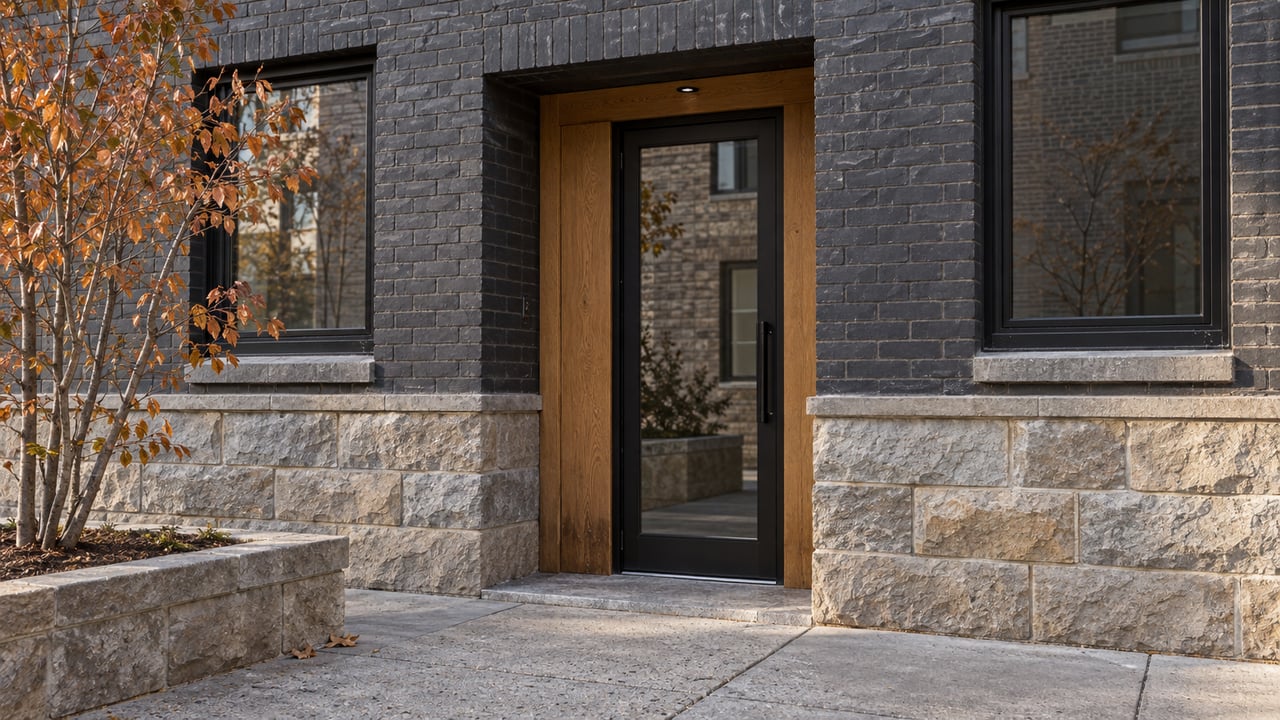
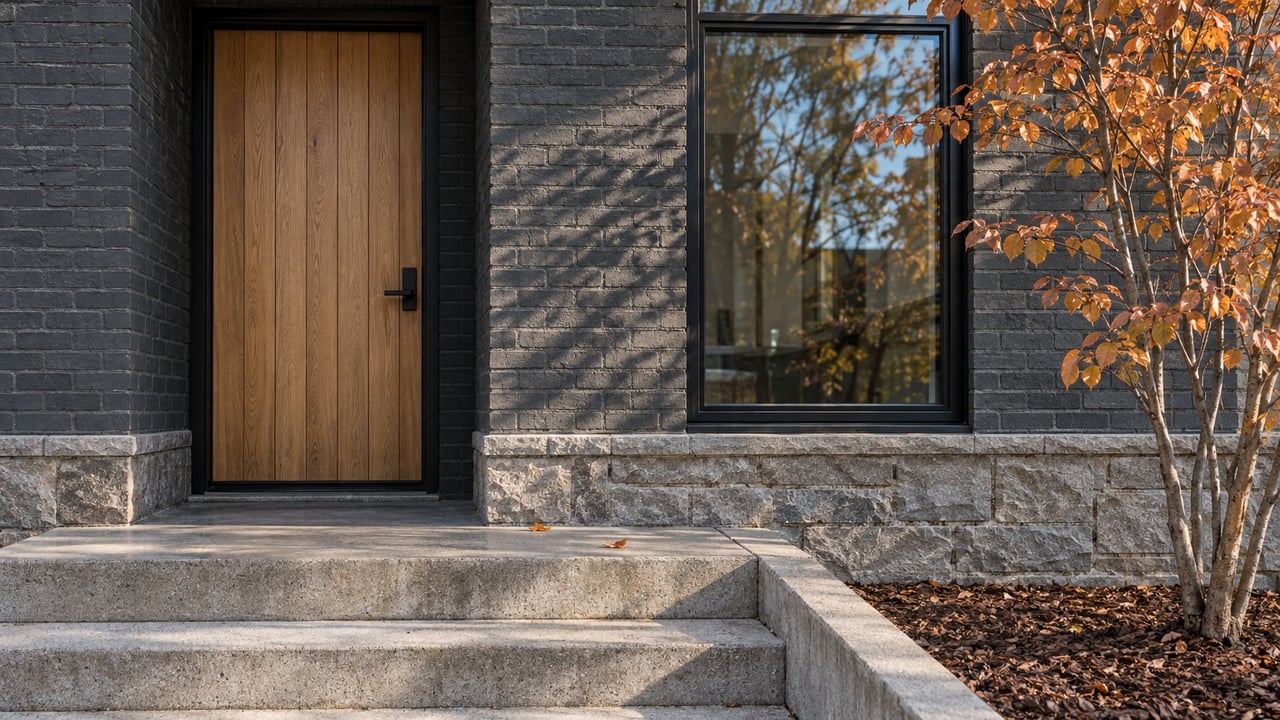
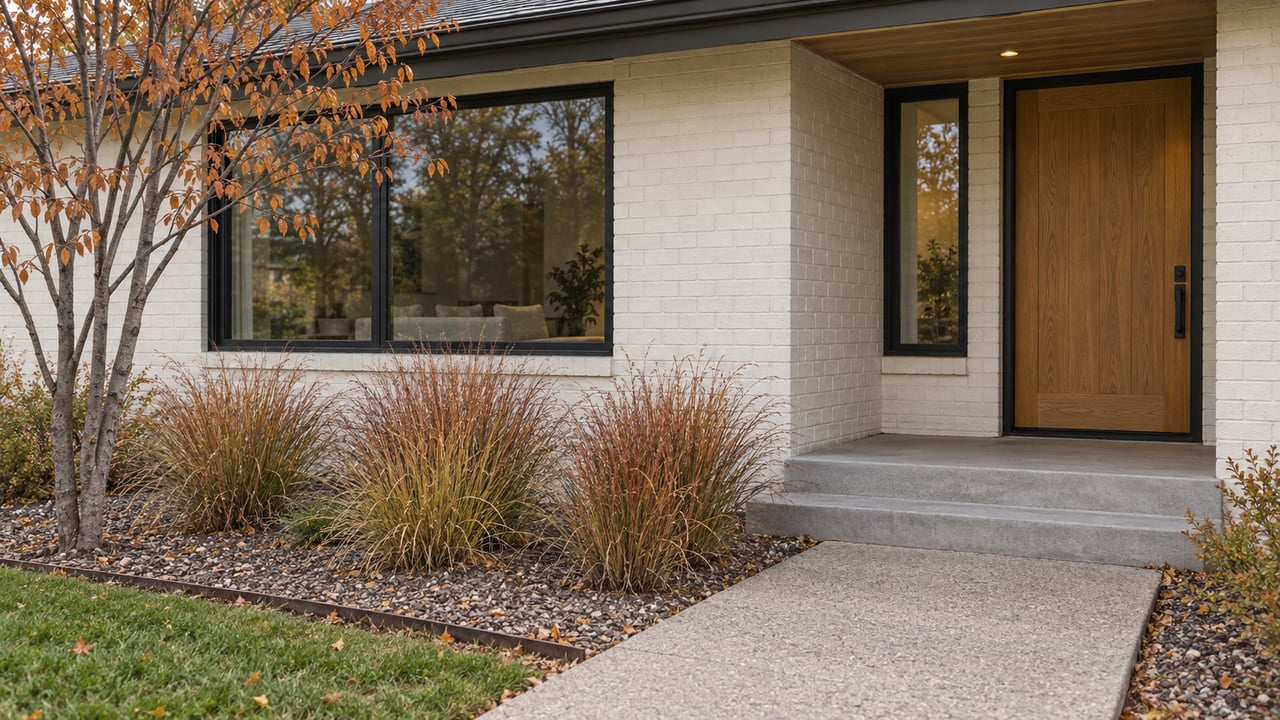
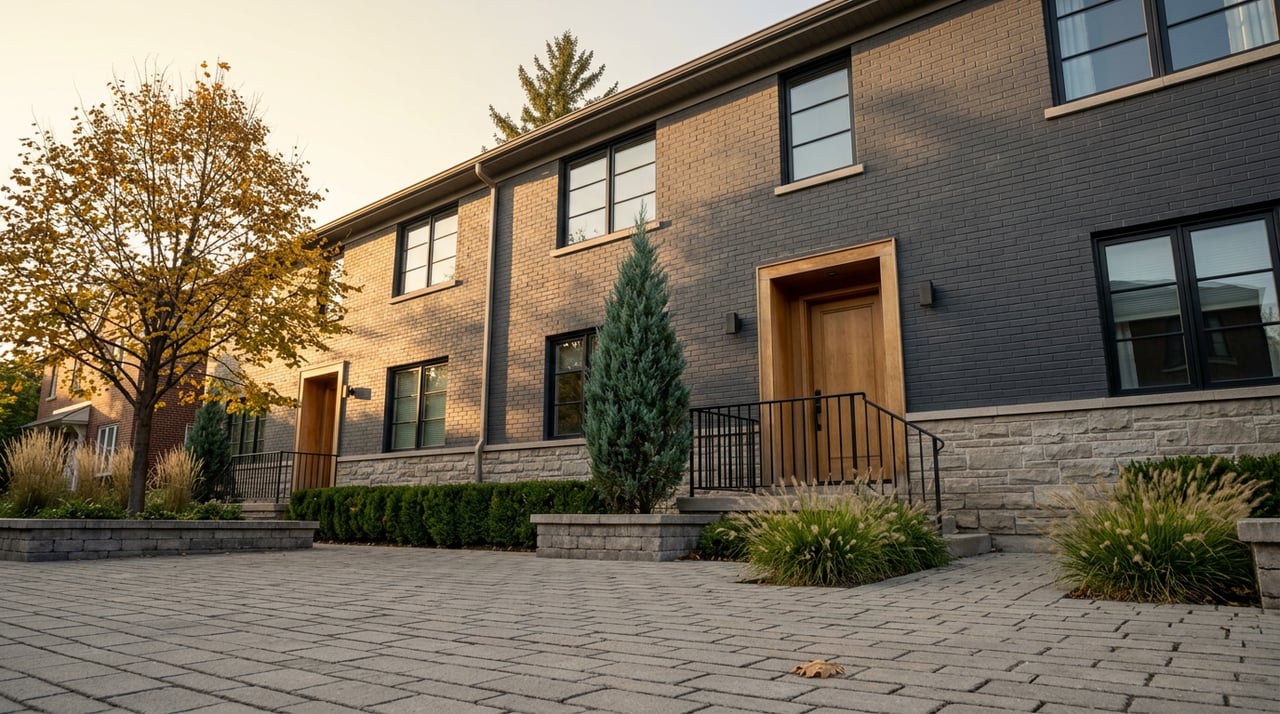
Local sources describe West Highland as a neighborhood with tree-lined streets and a mix of older homes and newer construction. That combination gives the area a distinct feel. You get historic character on many blocks, but you also see newer housing options mixed in.
Parks Shape the Daily Routine
For many households, access to green space is a big part of what makes West Highland appealing. Highland Park sits along the neighborhood’s eastern edge, giving residents a nearby option for a quick outdoor break without leaving the area.
Then there is Sloan’s Lake Park, which adds a much larger recreation option close by. At about 290 acres, it offers a 2.6-mile paved loop, playgrounds, picnic areas, tennis courts, and water recreation during warmer months.
That mix can support different kinds of routines. You might head to a smaller neighborhood park on a weekday, then use Sloan’s Lake for a longer weekend outing when you want more room and more activities.
Nearby Parks Add Flexibility
One practical advantage of West Highland is that outdoor time does not have to feel separate from the rest of your day. Local tourism sources note that nearby areas like West Highland, Jefferson Park, and Edgewater can blend park visits with coffee, dining, and boutique shopping.
For buyers, that means errands and recreation can happen within a similar radius. Instead of planning a full cross-town trip, you may be able to combine several stops into one easy outing.
Highland Square Anchors the Neighborhood
If parks support the outdoor side of life in West Highland, Highland Square supports the day-to-day rhythm. The district is lined with restaurants, coffee shops, boutique retail, workout studios, and service providers.
That matters because walkability is often less about a score and more about what you can actually do nearby. In West Highland, the neighborhood core gives you a concentrated area where coffee, meals, shopping, and basic services all show up in a few blocks.
Seasonal Events Add Local Energy
Highland Square also hosts recurring neighborhood events that help shape the area’s rhythm through the year. According to local neighborhood sources, the Highlands Farmers Market runs on Sundays from June through September, and the Highlands Street Fair takes place in June.
For buyers, these kinds of events can signal more than entertainment. They show that the commercial core functions as a gathering place, not just a row of storefronts.
What the Housing Mix Looks Like
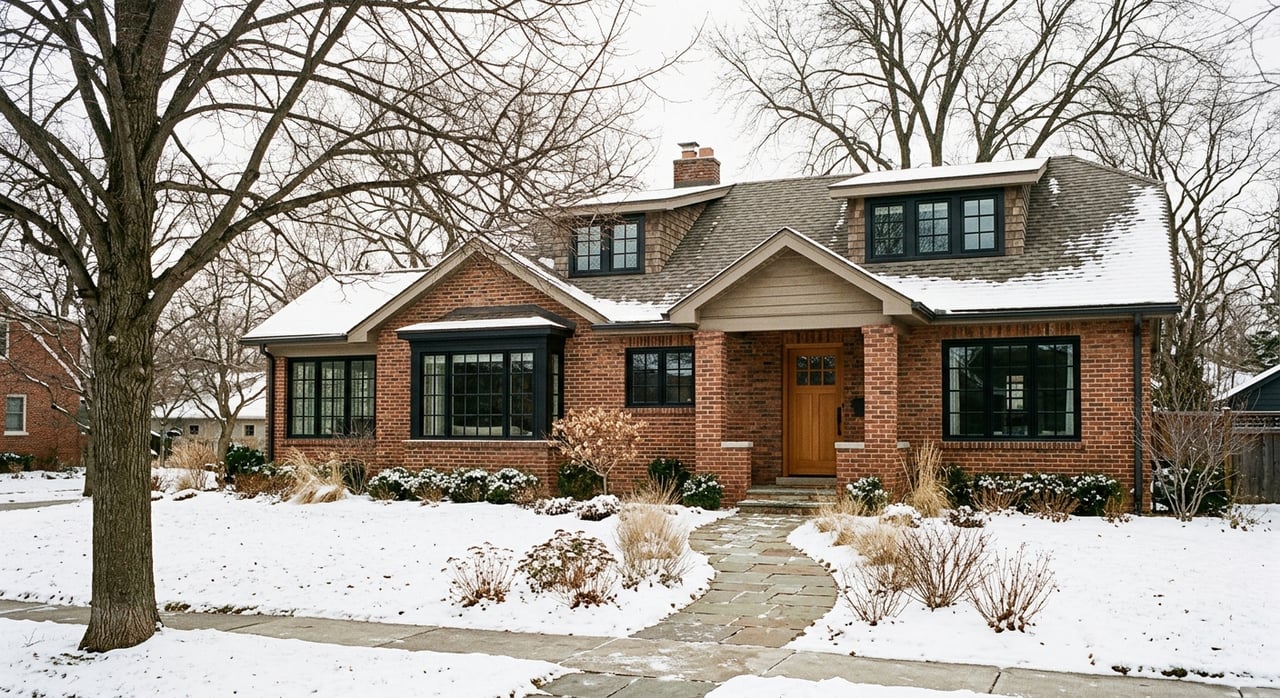
West Highland stands out for its variety of home styles. Historic housing in the area includes Queen Anne, Craftsman Bungalow, Denver Square or Classical Revival, Classic Cottage, Tudor, and Foursquare homes.
You will also find duplexes, townhomes, carriage houses, and newer infill. That range can be helpful if you like the neighborhood but want different price points, maintenance levels, or design preferences.
Historic Character Is a Real Feature
Many historic blocks in West Highland share recognizable physical traits. Denver preservation materials describe mature trees, sandstone or concrete walks, front-yard setbacks, and alley-accessed garages as common character-defining features.
These details shape how the neighborhood feels block by block. They also help explain why West Highland often appeals to buyers who want a home with personality instead of a more uniform streetscape.
What to Know About Historic Preservation
West Highland has a significant preservation footprint. The neighborhood includes 13 individual Denver Landmark properties, 5 individual properties on the National Register, and 4 Denver Landmark Historic Districts.
That does not mean every property is historic, but it does mean preservation rules are a meaningful part of the neighborhood. In Denver, landmark properties and homes within historic districts are subject to design review for exterior alterations, additions, new construction, signs, and non-vegetative site work.
Renovation Plans May Need More Review
If you are considering a home because you see renovation potential, this is an important point. In West Highland, exterior projects may require more planning than they would in a neighborhood without the same level of historic oversight.
That can still be a great fit if you value character and are comfortable with a more thoughtful review process. It just helps to go in with clear expectations, especially if you are comparing a historic block with a newer infill property.
West Highland Price Points
West Highland is generally considered a higher-priced inner Denver neighborhood. Recent market snapshots place values and listing metrics in the high-$700,000s to high-$800,000s, though exact numbers vary by platform and time frame.
Zillow reports an average home value of $785,446 and a median list price of $828,000. Redfin reports a median sale price of $852,213 over the last three months, while Realtor.com reports a median listing home price of $879,000.
Entry Points and Upper Tiers
The neighborhood does have range within that broader pricing picture. A recent Zillow search snapshot showed detached listings from about $500,000 to $1.9 million, while displayed townhome listings ranged roughly from $529,000 to $1.4 million.
In practical terms, that usually means smaller homes, older homes, or attached options may create a lower entry point. Larger homes, updated homes, and fully renovated properties can push well above $1 million.
Inventory and Speed Matter Here
West Highland inventory appears relatively modest. Zillow showed 65 for-sale listings as of June 30, 2026, while Realtor.com showed 55 active homes in its snapshot.
Homes also appear to move quickly. Zillow says homes go pending in around 11 days, and Redfin reports a median of 8 days on market over the last three months.
For buyers, that suggests preparation matters. If you are focusing on West Highland, it helps to understand your priorities early so you can move decisively when the right fit comes up.
Why West Highland Appeals to Many Buyers
West Highland can be compelling because it combines several things that are often hard to find in one place. You have neighborhood parks and easy access to Sloan’s Lake, a commercial core with coffee shops and daily services, and housing stock that ranges from classic Denver architecture to newer infill.
That mix does not make it the right fit for everyone. But if you value character, proximity to amenities, and a neighborhood where your routine can happen close to home, West Highland offers a strong case.
How to Evaluate West Highland for Your Needs
If you are thinking seriously about buying here, focus on the questions that shape daily life. Consider:
- How important nearby park access is to your routine
- Whether you want a historic home or a newer property
- How much renovation work you are comfortable taking on
- Whether you prefer a quieter residential block or closer access to Highland Square
- What price range feels realistic for the type of home you want
These tradeoffs matter in West Highland because the neighborhood offers real variety. Two homes that are close together on a map can live very differently based on style, condition, lot setup, and proximity to the neighborhood core.
If you want help comparing West Highland with nearby options like Sloan’s Lake, Edgewater, or other central and northwest Denver neighborhoods, Camp Fire Real Estate can help you sort through the details with a neighborhood-first lens.
FAQs
What is West Highland in Denver known for?
- West Highland is known for tree-lined streets, Highland Square’s walkable commercial core, nearby park access, and a mix of historic homes and newer construction.
What parks are near West Highland for outdoor time?
- Highland Park sits on the neighborhood’s eastern boundary, and nearby Sloan’s Lake Park offers about 290 acres, a 2.6-mile paved loop, playgrounds, picnic areas, tennis courts, and seasonal water recreation.
What kinds of homes are in West Highland?
- West Highland includes Queen Anne, Craftsman Bungalow, Denver Square or Classical Revival, Classic Cottage, Tudor, and Foursquare homes, plus duplexes, townhomes, carriage houses, and newer infill.
Are there historic district rules in West Highland?
- Yes. West Highland has Denver Landmark properties and historic districts, and certain exterior changes, additions, new construction, signs, and some site work may require design review under Denver’s landmark preservation rules.
What do homes cost in West Highland, Denver?
- Recent market snapshots place West Highland in the high-$700,000s to high-$800,000s overall, with active detached and attached listings showing a broader range from roughly the low-$500,000s to well over $1 million.
Does West Highland have cafes and errands nearby?
- Yes. Highland Square includes coffee shops, restaurants, boutique retail, workout studios, and service providers, making it a practical neighborhood hub for daily routines.