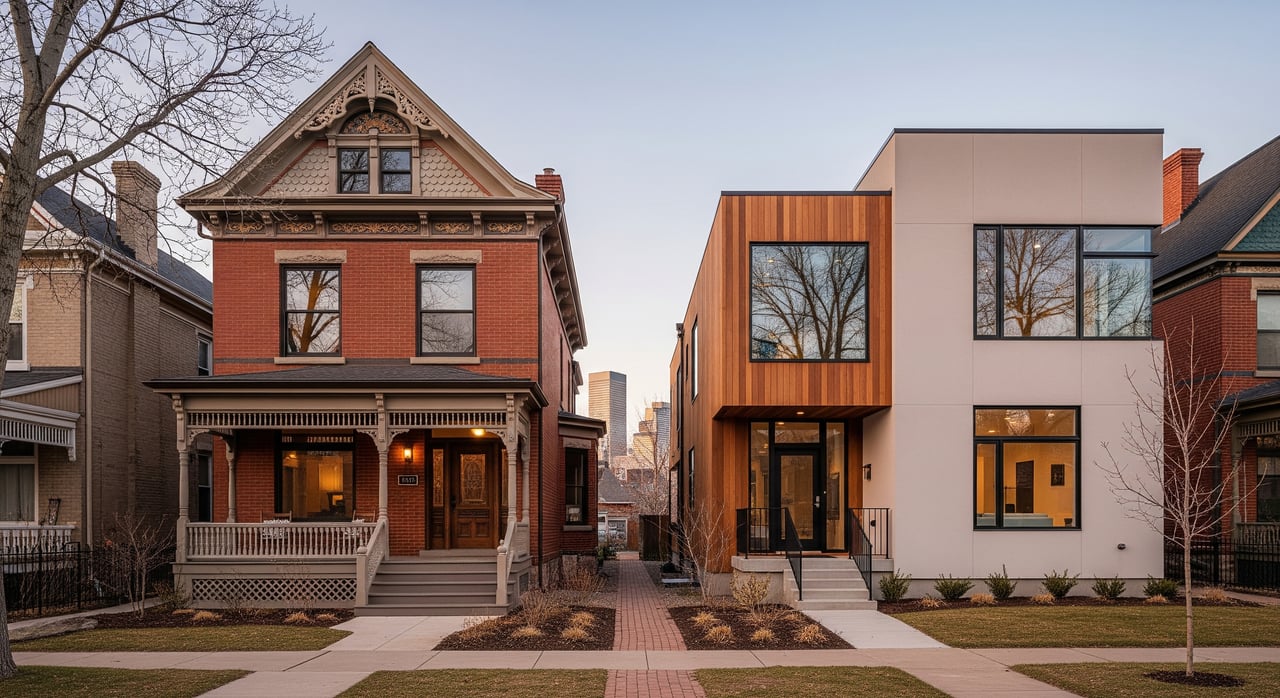
Should you fall for a classic Cole bungalow with original woodwork, or play it safe with a sleek new build? It is a real choice in this neighborhood, where early‑20th‑century charm sits next to modern infill. You want character, but you also want a clear view of costs, rules, and resale. In this guide, you will learn how historic homes and new builds in Cole compare on maintenance, renovation scope, timelines, financing, and long‑term value. Let’s dive in.
Cole at a glance
Cole sits just north and east of downtown Denver, near City Park. You will find a mix of bungalows, Foursquares, Victorians, and cottages along with newer infill on subdivided lots. That blend creates two common paths: preserve historic character with older systems or opt for a turnkey new build with modern efficiency.
Demand is supported by proximity to amenities and transit. Buyers often pay premiums for energy‑efficient new construction and for historic homes that retain intact character and larger lots. After the 2021–2022 peak, the Denver market became more price‑sensitive, so condition and operating costs matter. Always ground decisions in current neighborhood comps before you commit.
Rules to check early
- Landmark and exterior changes. Some Denver properties carry landmark status or fall under design review for exterior work. Confirm status with the city before you plan windows, siding, porches, or additions.
- Permitting and use. Denver’s permitting rules, short‑term rental regulations, and ADU policies can shape your scope and returns. Verify requirements with Development Services before you budget.
Historic home: what to expect
Older Cole homes often deliver original floors, plaster, millwork, and historic windows. These features add appeal but can require specialized care.
- Building envelope. Expect single‑pane windows, limited insulation, aged roofs, and wood or original masonry. Typical updates include air sealing, attic insulation, selective window repair or replacement, siding and trim repairs, and porch stabilization.
- Structural and foundation. Settlement or sill plate deterioration can occur, and expansive soils in the Denver area add risk. Plan on a foundation specialist if signs appear during inspection.
- Systems. You may see knob‑and‑tube or cloth wiring, smaller electrical service, galvanized or cast‑iron plumbing, and aging HVAC without central air. Full rewiring, panel upgrades, plumbing updates, and HVAC replacement are common in modernizations.
- Interior and layout. Many buyers restore plaster or install drywall, refinish original floors, and modernize kitchens and baths. Moving walls or utilities increases cost, especially when you preserve historic fabric.
- Health and safety. Homes built before 1978 may contain lead paint, and older insulation or flooring can have asbestos. Radon testing is recommended in the Denver area. Moisture management in basements and crawlspaces is key.
New build: what to expect
Recent infill brings code‑level insulation, efficient windows, modern HVAC, and contemporary layouts. Lots may be smaller or irregular, and early settling or drainage issues can show up, but immediate capital repairs are usually limited.
- Envelope and systems. Energy efficiency is stronger out of the gate, and mechanicals are new. Builder warranties may cover early issues for a limited period.
- Renovation scope. Changes are usually cosmetic or layout tweaks. Energy upgrades are incremental rather than foundational.
Cost planning and timelines
Use these ballpark buckets as planning guidance, then get local bids before you buy.
- Kitchen updates. Minor refreshes can run in the tens of thousands. Full layout changes with new cabinets, plumbing, and electrical often range from low tens to high tens of thousands or more depending on finishes.
- Bathroom remodels. Partial updates typically land in the low five figures. Premium or expanded baths can reach the mid‑five to six figures.
- Roof replacement. Commonly several thousand to tens of thousands, based on size and materials.
- Electrical. Panel upgrades and full rewires range from several thousand to many thousands depending on extent and access.
- HVAC. Replacements often fall in the several‑thousand to low five‑figure range.
- Foundation work. Highly variable, from a few thousand for localized fixes to tens of thousands for piers or underpinning.
- Windows. Restoring historic windows can be comparable to replacement depending on condition. Thoughtful repair can be cost‑effective over the lifecycle and preserves character.
Timelines vary by scope and permitting. A full historic renovation that touches systems, structure, and finishes often runs months to a year or more. Cosmetic work or a new‑build refresh may take weeks to a few months. Preservation or building review can add weeks, so bake that into your plan.
ROI and resale in Cole
- What tends to return value. Modest kitchen updates, curb appeal improvements, exterior refreshes, and garage door replacements have tracked well in national industry studies. Systems upgrades and energy improvements support buyer confidence and operating cost control.
- Character premium. Historic homes that retain original features can command premiums with the right restoration. The key is proportional investment that fits the block and the Cole market, not over‑improvement.
- Investor lens. Model cash‑on‑cash, cap rates, and realistic rent comps. Renovation cost, holding time, and time to lease or sell drive actual returns. Include a contingency of at least 10 to 20 percent for older homes.
Financing and incentives
If you want to wrap renovation into your purchase, explore these options and confirm eligibility and documentation.
- FHA 203(k). Combines purchase and rehab funds for qualifying owner‑occupants.
- Fannie Mae HomeStyle Renovation. A conventional option that can include renovation financing for owner‑occupants and some second‑home or investor uses.
- VA renovation options. For qualifying veterans.
- Construction‑to‑permanent loans. Useful for major gut rehabs or new builds.
- Other routes. Home improvement loans, personal lines of credit, and bridge financing can fill gaps.
Energy and preservation incentives to consider in Denver and Colorado:
- Federal energy tax credits. Recent federal law provides credits for certain heat pumps, qualified insulation, some windows, and sometimes electrical panel upgrades. Verify current criteria before you buy equipment.
- Utility rebates. Colorado utilities, including Xcel Energy, periodically offer rebates for energy assessments, insulation, heat pumps, and efficient appliances.
- Preservation programs. Federal historic tax credits generally apply to income‑producing properties. Some state or local programs exist, with eligibility varying by use and designation. Confirm whether your project qualifies.
Inspection priorities in Cole
- Whole‑home inspection for roof, structure, and systems.
- Specialized checks when age suggests risk: foundation specialist, sewer scope, electrical evaluation, HVAC assessment, lead and asbestos testing, and a radon test.
- Historic and permit research. Confirm landmark status, easements, and permitting history. Unpermitted work can be costly to resolve.
- Operating costs. Request recent utility bills to understand year‑round energy use.
Decision checklist
Use this quick framework to choose the right path for your goals.
- Budget and reserves
- Add purchase price, immediate capital items, and a 10 to 20 percent contingency. Include 1 to 5 years of maintenance.
- Time horizon
- Shorter holds and faster moves favor new builds or light‑touch remodels. Longer holds can suit historic homes where you phase improvements.
- Preference and lifestyle
- Do you value original details enough to take on added maintenance and potentially longer timelines, or do you prefer a modern layout with lower immediate CapEx?
- Rules and risk
- Verify landmark status and local regulations early. Build permitting and review time into your schedule.
- Investor specifics
- Underwrite with conservative rents and realistic vacancy. Model delays and carrying costs.
What to fix first in an older Cole home
- Safety and systems. Address electrical hazards and panel upgrades, HVAC function, and plumbing or sewer faults.
- Roof and structure. Resolve leaks, foundation concerns, and moisture management.
- Weatherization. Air sealing and attic insulation improve comfort and costs, then move to window strategies.
How we can help
Choosing between historic charm and new‑build ease in Cole comes down to math, timelines, and what you value at home. If you want a partner to walk the block with you, verify rules, price the scope with contractors, and run the numbers on purchase plus rehab, we are here for you. Reach out to schedule a consult with Camp Fire Real Estate and get a clear plan for your next move.
FAQs
What makes Cole unique for historic vs new‑build decisions?
- Cole mixes early‑20th‑century homes with modern infill, so you often choose between preserving character with higher potential CapEx or buying a turnkey, efficient home with fewer near‑term repairs.
How should I estimate a renovation budget for a historic Cole home?
- Start with contractor bids for roof, electrical, plumbing, HVAC, and foundation, add cosmetic scopes, then include a 10 to 20 percent contingency for older‑home surprises.
Do Denver landmark rules affect exterior work in Cole?
- Some properties require design review for exterior changes, so check local landmark status and plan extra time for approvals before altering windows, siding, porches, or additions.
Which loans can combine purchase and renovation in Denver?
- FHA 203(k), Fannie Mae HomeStyle Renovation, certain VA options, and construction‑to‑permanent loans can bundle rehab costs, subject to eligibility and documentation.
How long does a full historic renovation typically take in Cole?
- A systems‑plus‑cosmetics renovation often runs several months to a year or more, depending on scope, permitting, contractor availability, and any preservation review.
What inspections are must‑do before buying an older home in Cole?
- Order a whole‑home inspection plus sewer scope, foundation evaluation, electrical and HVAC assessments, radon test, and lead or asbestos testing when age and conditions suggest risk.