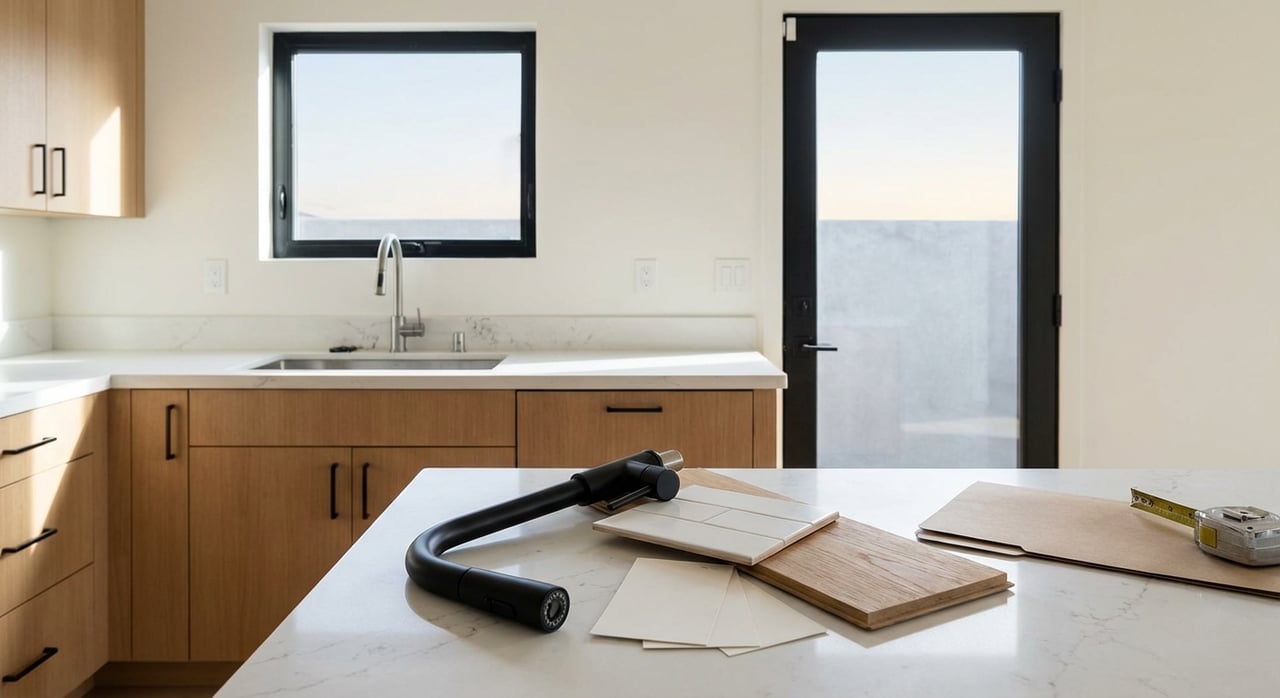
You’re staring at that 1910 kitchen and wondering if a remodel will pay off before you list. It’s a smart question, especially in Cole where homes have character and buyers value walkability and access to RiNo and City Park. In this guide, you’ll learn what improvements tend to earn back the most at resale, what to skip, how Denver permits and timelines affect your decision, and a simple way to run the math. Let’s dive in.
Cole market at a glance
Cole’s housing is a mix of early 20th‑century cottages, Denver Squares, and newer infill townhomes. That variety means buyer expectations can vary by block and by property condition. Many homes still have original features, which can be a selling point when presented well.
Neighborhood median prices reported online often jump around due to small sample sizes and different reporting methods. Use a current, block‑specific comparative market analysis from a local agent to set your as‑is baseline rather than relying on a single website estimate.
In 2025, the broader Denver market moved toward balance. Inventory rose from the 2020 to 2022 frenzy and days on market increased, which gives buyers more negotiating power. In a balanced market, speed to market and clean presentation can matter more than a long, costly renovation.
What actually pays off
Cost vs. Value as your baseline
Remodeling’s annual Cost vs. Value report is a solid, conservative benchmark for resale payback. In 2025, selective projects like minor kitchen remodels, midrange bath remodels, and exterior door replacements ranked well for percent of cost recouped. A minor kitchen refresh showed an average recoup around 113 percent nationally, while a midrange bath came in near 80 percent. Use these figures as directional guidance, then tailor to Cole comps. You can review the highlights in the 2025 Cost vs. Value summary.
Important: recoup percent is not net profit. Even at 100 percent recoup, you still pay the project cost up front, carry the home while work happens, and cover standard selling costs. Always run the full equation before you commit.
Denver cost and timing context
Local contractor ranges matter. In Denver, a minor kitchen refresh often runs about $20,000 to $50,000, midrange full kitchens commonly land between $50,000 and $100,000 or more, and larger gut projects can exceed $100,000 to $150,000. Midrange bath remodels typically range $15,000 to $40,000. Timelines can stretch from weeks for cosmetic work to several months for full kitchens. For a quick primer on local ranges, see this Denver kitchen remodel cost overview.
Denver’s permit rules and plan review can add weeks, especially for structural, electrical, plumbing, or HVAC scopes. Check the City’s current processes and fees through Denver Development Services and build that time into your plan.
Quick wins before you list
If you want strong ROI without delaying your launch, focus on projects that improve first impressions and photos:
- Fresh neutral interior paint and touch‑up exterior paint
- Refinished wood floors or targeted flooring replacement
- New lighting, hardware, and faucet fixtures
- Minor kitchen refresh: cabinet repainting or refacing, new counters, updated appliances
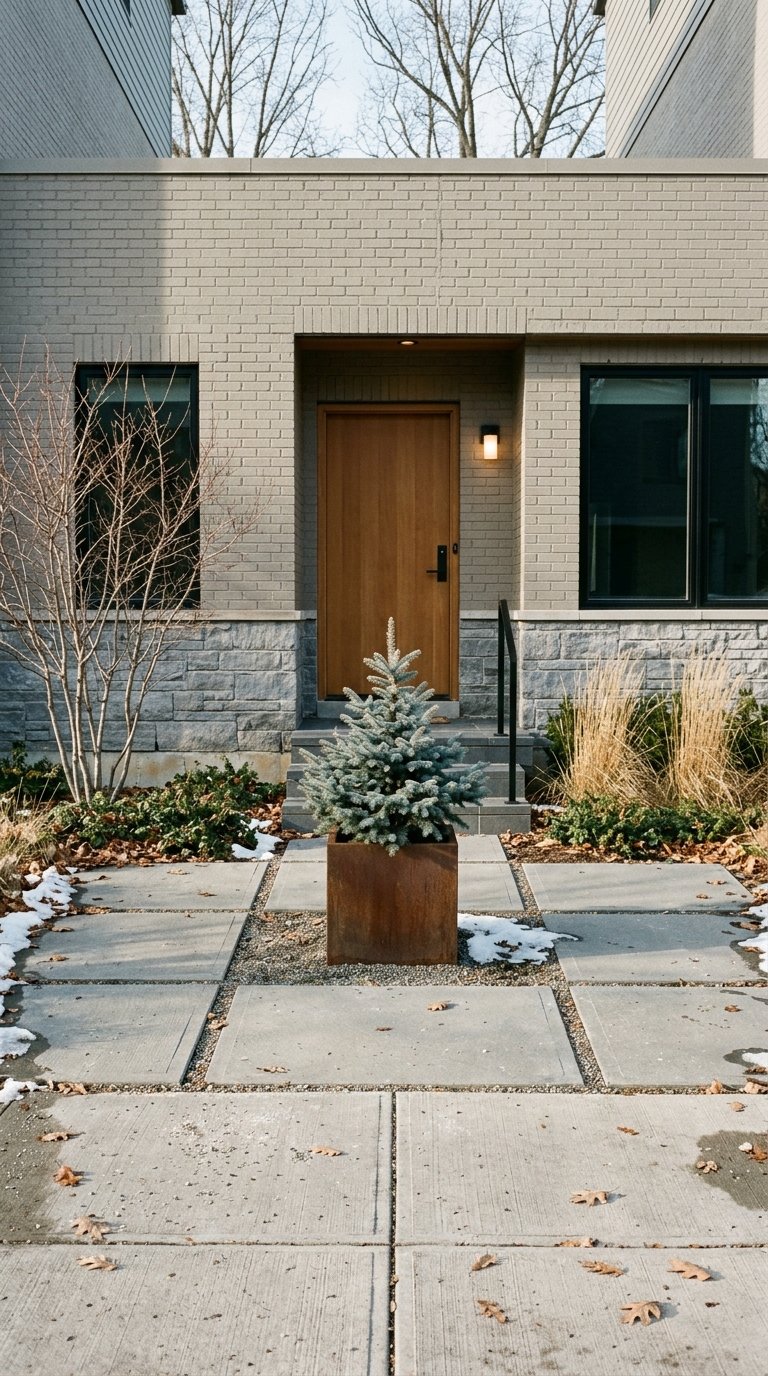
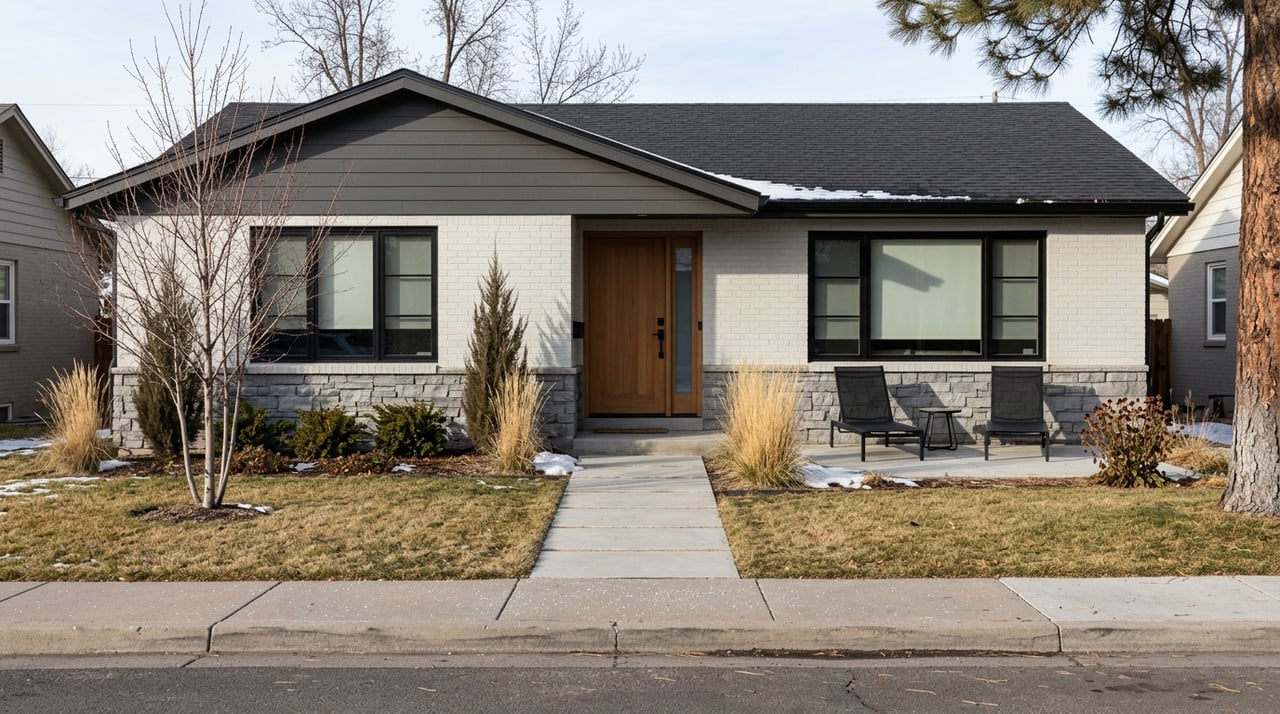
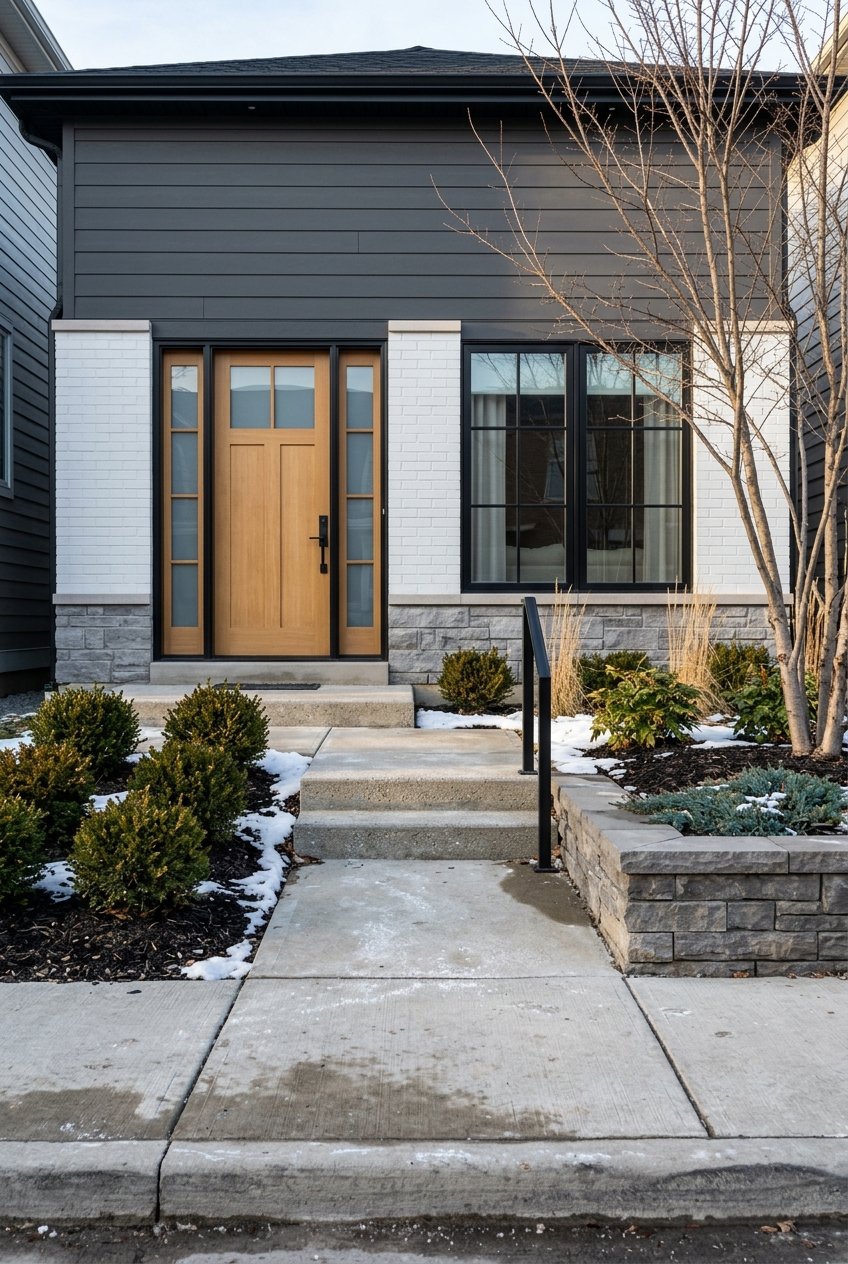
- Exterior tune‑up: clean entry, trimmed landscaping, fresh mulch
- High‑impact swaps: steel entry door or garage door where applicable, which often rank among the highest recouping projects in Cost vs. Value
- Professional staging and photography; NAR’s staging data shows it can reduce time on market and lift offers
When a bigger remodel makes sense
Consider larger renovations only when recent Cole comps support a higher price band for the finished result. Your agent can map the gap between your as‑is value and the likely post‑renovation value. Appraisers must anchor to closed comps, so if the neighborhood does not reflect your planned level of finish, the appraisal may not match your target price. For a refresher on how appraisers evaluate improvements, review this guide on how to prepare for an appraisal.
Denver permits, historic features, and timing
Most structural, electrical, plumbing, and HVAC work requires a permit in Denver. The City adopted the 2025 Denver Building and Fire Codes, and review times vary by scope and valuation. Some smaller scopes qualify for quick permits. Confirm requirements and timelines early through Denver Development Services.
Many Cole homes have older masonry, windows, and trim. If your property is in a designated historic district or has landmark status, certain exterior changes like window or door replacements may need review or approval. When in doubt, contact the City’s historic preservation office before booking exterior work.
A simple decision framework
Step 1: Set your goal
Do you need speed and certainty, or do you have a few months to try for a higher price? In a more balanced market, carrying costs and time to market can outweigh the benefit of a big project. Be honest about your timeline and risk tolerance.
Step 2: Triage condition
- Safety and system issues first: roof leaks, electrical hazards, major plumbing, HVAC, or foundation concerns often must be addressed for a buyer’s loan to fund. A pre‑listing inspection can help you surface problems early.
- Cosmetic opportunities next: paint, hardware, lighting, flooring, and curb appeal usually deliver strong returns and help your home shine in photos.
Step 3: Gather three key inputs
- A local CMA, with two figures: expected as‑is price and expected price if you complete a specific improvement list.
- Two to three written contractor bids for the scope, including permit fees and realistic timelines. Use Denver Development Services to confirm permit steps.
- If pricing uplift is uncertain, use the 2025 Cost vs. Value report as a conservative benchmark or ask your agent to consult a local appraiser.
Step 4: Run the numbers
Use a simple spreadsheet with these inputs:
- A = expected as‑is sale price
- B = expected post‑renovation sale price
- C = project cost, including permits
- D = carrying cost while renovating and waiting to sell
- Selling costs = standard commissions and closing costs, plus any extra costs caused by the delay
Net benefit if you renovate = (B − A) − C − D − incremental selling costs from the delay.
Example: Your CMA says A = $650,000. A midrange kitchen refresh costs C = $30,000. Cost vs. Value suggests strong payback, but you conservatively assume the price bump B − A = $25,000 based on local comps. Carrying costs D for three months = $6,000. Incremental selling costs and risk = $3,500. Net benefit = $25,000 − $30,000 − $6,000 − $3,500 = −$14,500, so the renovation would not pencil out. The lesson: recoup percent alone is not enough; time and carrying costs matter.
Paths if you skip the big remodel
- Targeted fixes plus staging. Knock out paint, floors, hardware, curb appeal, and invest in professional staging and photos. NAR’s staging research shows measurable gains.
- Sell as‑is with clarity. Price to reflect condition, disclose known issues, and consider offering a repair credit so buyers can choose finishes.
- Need speed. If timing is tight, list as‑is at a competitive price or explore a quick, certain sale option. Weigh net proceeds after fees and timing before you decide.
Cole‑specific tips
- Respect the bones. Preserve or refinish original elements when possible. Buyers often value character, and it can be faster and cheaper than full replacement.
- Plan for permits. Even light interior work can require permits depending on scope. Confirm at the start with Denver Development Services.
- Use conservative comps. Small neighborhood sample sizes can skew published medians, so rely on very recent closed sales near your block.
- Speed can win. In a balanced market, listing sooner with strategic cosmetic updates and standout marketing can outperform a slow, expensive renovation.
Ready to pressure‑test your plan for your specific Cole home? Let’s map your as‑is value, the true upside of a refresh, and the path that gets you the best net. Reach out to Camp Fire Real Estate to start a clear, local plan.
FAQs
Should you renovate a Cole kitchen before selling?
- Often, a minor kitchen refresh delivers better ROI than a full gut due to cost, timeline, and appraisal limits; use Cost vs. Value benchmarks and a CMA to confirm your likely uplift.
How much does a midrange Denver bath remodel cost?
- Typical midrange bath remodels in Denver run about $15,000 to $40,000, and they have historically recouped a solid share of cost at resale according to Cost vs. Value.
Do you need permits for pre‑sale updates in Denver?
- Many projects involving structural, electrical, plumbing, or HVAC work require permits; check requirements, fees, and potential quick‑permit paths with Denver Development Services.
How does staging affect a Cole home sale?
- NAR reports that staging can reduce days on market and increase offers, which is why professional staging and photography are smart pre‑listing investments.
Will a big remodel appraise in Cole?
- Appraisers rely on recent closed comps; if your planned finish level is not reflected nearby, the appraisal may not match your target price, which can create a gap for financed buyers.
What if you need to sell fast in Cole?
- Skip major renovations, price as‑is to the market, complete only high‑impact cosmetic fixes, and choose a timeline that reduces carrying costs and uncertainty.