Start at Federal Boulevard and walk east on any avenue between West 32nd and West 38th. As far as Zuni Street, you're inside the Potter Highlands Historic District, with Queen Annes, Denver Squares and bungalows built before the mid-1940s. Past Tejon Street, the blocks toward Pecos are lined with the duplexes, townhomes and slot homes of a much later building wave.
If you're choosing between a 2010s townhome or duplex and an older detached house in Highland, it helps to see the two as separate markets that happen to share a ZIP code. They were built at different times and sit on different blocks. Denver's October numbers show the two kinds of homes selling at very different speeds, which points to the townhome side as the place a buyer has the most room to negotiate this winter.
Two Highlands Between the Same Two Avenues
Take West 32nd and West 38th Avenues as the north and south edges of a map. The western half, from Federal Boulevard to Zuni Street, is the Potter Highlands Historic District, a 36-block plat from 1872. The city established the district on April 20, 1979, and enlarged it to its current boundaries on February 25, 1987, according to the Denver Public Library's neighborhood history. The houses there come from two building periods. The first ran from 1874 to the Silver Crash of 1893, and the second from the 1896 annexation to the mid-1940s. That covers Queen Anne, Craftsman bungalow, Classic Cottage, Denver Square, Colonial and Dutch Revival, Mission and Prairie styles. The Lumber Baron Inn, the restored John Mouat mansion at 37th Avenue and Bryant Street, is the best-known address in the district.
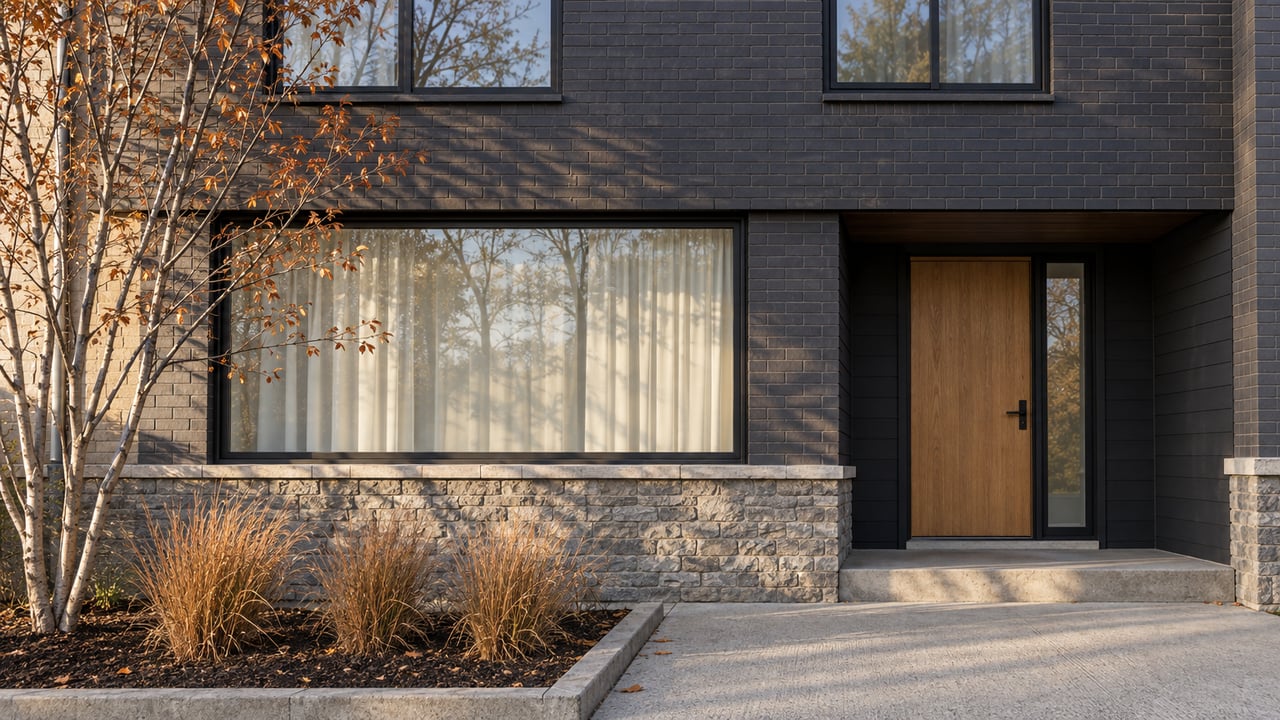
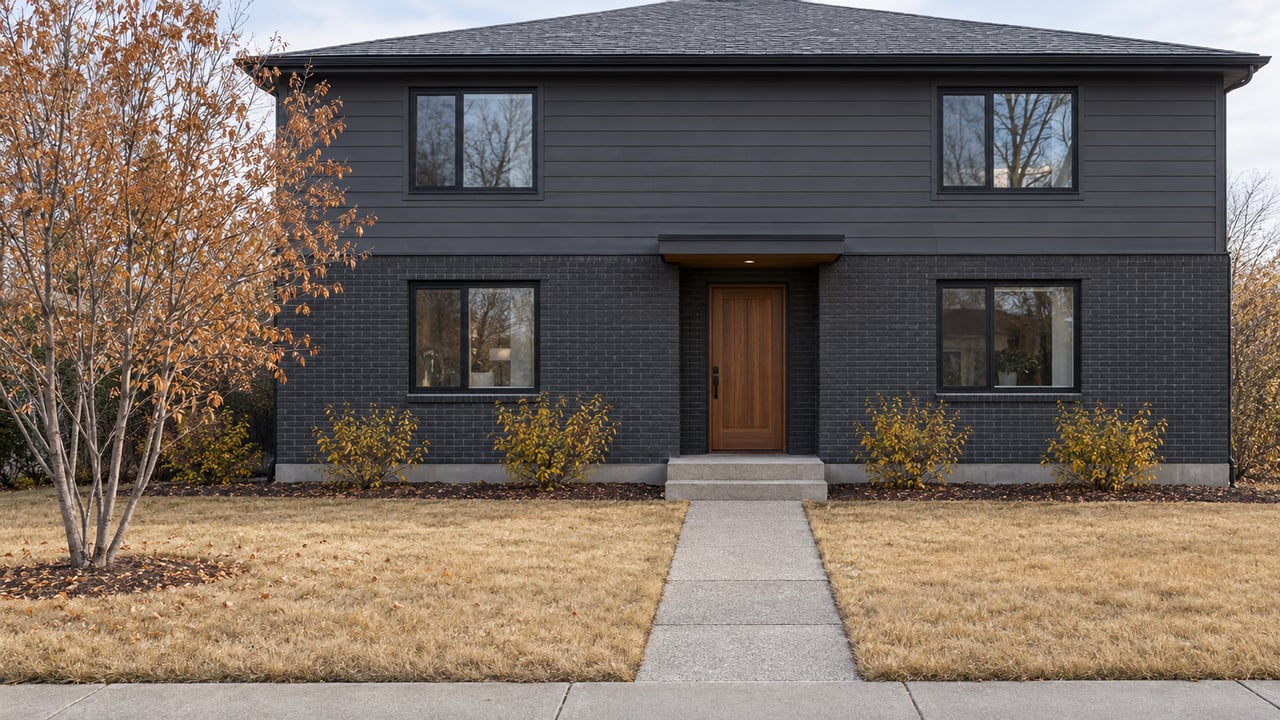
A few blocks east, between the same two avenues, the blocks from Tejon to Pecos Street look like a different neighborhood. In December 2021, the city's Near Northwest Area Plan pattern book rated this stretch of Highland as high-change. It found that small, modest homes had been replaced with larger duplexes, some townhomes and slot homes, and that home sizes, footprints and lot coverage now run larger than they used to. Some of the original bungalows and cottages are still there, but as the same document puts it, "the consistency has drastically changed."
Highland's housing doesn't mix evenly, so a search for a Denver Square and a search for a three-story duplex half will mostly take you to different streets.
What the October Numbers Say About Each Side
Neighborhood-level sales data split by property type is thin for a single Denver neighborhood. The countywide figures are the best gauge, and they show a wide split. The Colorado Association of Realtors' Local Market Update for Denver County covers October 2026 and is current as of November 4.
In October 2026, single-family homes in Denver County:
- sold in a median of 40 days, down from 45 in October 2025
- received 98.2% of list price
- sat at 3.5 months of supply, down from 3.9 a year earlier.
Townhouses and condos in the county that same month:
- took 79 days to sell, up from 65 in October 2025
- received 97.3% of list price
- sat at 7.5 months of supply.
Over the first ten months of 2026, townhouse and condo sales in Denver County fell 10.7% from the same period in 2025. Single-family sales fell 2.5%.
These are countywide figures, not Highland prices. Denver County's October townhouse-condo median of $357,000 covers every attached home sold in the city that month, and the report warns that a single month's figures can swing on a small sample. Across the county, attached homes took about twice as long to sell in October and carried more than twice the months of supply.
The broader metro shows the same split. The Denver Metro Association of Realtors' October 2026 market trends report put median days in MLS at 26 for detached homes and 48 for attached homes. It also found that 65% of October closings across the metro included seller concessions, averaging $12,557.
How Highland's Attached Homes Arrived
Highland's modern attached homes went up in a short window. According to 9News, slot homes began appearing in Denver around 2012. By 2018, the city had singled out Highland as one of the Denver neighborhoods where they were common, as the Denver Post reported. That same story covered City Council's March 12, 2018 vote on a moratorium on new slot-home submissions and noted that at least 30 projects were expected to be grandfathered. Council approved the slot-home text amendment that May.
Much of that construction landed on the same Tejon-to-Pecos blocks the pattern book flagged. A duplex half listed there this winter is likely to share its street with similar homes from the same years, and a buyer can line them up side by side.
The cost of owning attached homes adds to the slowdown. In its September 2026 market analysis, the Colorado Association of Realtors described HOA dues, insurance costs and affordability as added burdens on condos and townhomes. The same report noted longer marketing times, more price cuts and concessions that were especially common on attached homes. Many Highland side-by-side duplexes are structured differently from a downtown condo tower, so read each one's documents on its own terms. Our look at RiNo and Five Points condo buildings walks through why a building's finances now move its price.
For a buyer, a 79-day county average means a seller who listed in early fall has carried the home through Halloween and may be facing the holidays. That's the moment a price conversation, a closing-cost credit or a flexible closing date becomes realistic.
West of Zuni, the Houses Are the Ones the District Was Drawn Around
The housing west of Zuni is the stock the 1979 district was drawn around. Its Queen Annes, Denver Squares and Craftsman bungalows went up between 1874 and the mid-1940s, and no more of them are being built. The supply of those houses is whatever comes up for sale.
A few other pockets of Highland have similar histories. Stoneman's Row, the eight stone houses near I-25, became the West 28th Avenue Historic District in 1979 and joined the National Register in 1984, as Westword reported. Scottish Village, bounded by West 32nd Avenue, Zuni Street, Dunkeld Place and Clay Street, is a National Register district of 133 mostly small homes. Its late-19th-century "terraces" of duplexes, triplexes and row houses show that Highland had attached homes long before the 2010s. A buyer who wants an older home that shares a wall can find a few in Scottish Village.
Countywide, single-family supply in October 2026 was 3.5 months, and those homes sold at 98.2% of list price. That's a slower market than the past few years, but much tighter than the attached side. If your heart is set on a Potter Highlands Victorian, the county numbers point to a smaller winter discount. The bigger risk is waiting until spring, when more buyers come back for the same small set of houses. Our earlier piece on trading up from a condo to a Craftsman in Highland covers that move from the other direction.
The Next Chapter for the Eastern Blocks Is Under Discussion Now
The eastern blocks may see more change. Denverite reported on November 11 that Denver's "Unlocking Housing Choices" proposal has returned to a citywide approach after a September version had limited it to areas near transit. The full proposal is expected before City Council in the spring, and staff have described a goal of about 2,000 new homes a year. It hasn't been adopted. For a buyer, it's one more item to follow, because the volume of new attached homes on Highland's high-change blocks has a lot to do with how townhome inventory behaves there.
FAQ
Do the Denver County numbers describe Highland specifically? No. They cover every single-family home and every townhouse or condo sold in Denver County, so the medians aren't Highland prices. Comparing each type's days on market and months of supply gives a better read of the conditions a Highland buyer will meet. Block-level comps fill in the rest.
Should a buyer wait for the upzoning decision? It isn't scheduled for City Council until spring, and its final form isn't settled. A purchase this winter would be made under today's conditions.
Whether you lean toward a Tejon-area duplex or a Denver Square west of Zuni, Dillon and the team at Camp Fire Real Estate can pull the recent Highland sales for the exact blocks you're weighing and show you how long similar homes have been sitting. Let's Connect before the holiday slowdown sets the terms.