Thinking about a Berkeley townhome but unsure how the HOA works? You’re not alone. HOA details can feel dense, and the fine print matters for your monthly budget and long-term peace of mind. In this guide, you’ll learn what dues typically cover, what to review during escrow, and the red flags to watch for in Berkeley, Denver. Let’s dive in.
HOA basics in Colorado
In Colorado, townhome associations are governed by the Colorado Common Interest Ownership Act (CCIOA). CCIOA sets rules for how associations operate, what must be disclosed in resales, and how owners and boards share responsibilities. During a transaction, you should receive an official resale packet or estoppel that includes fees, assessments, insurance, and governing documents. Request this early so you have time to review it and ask questions.
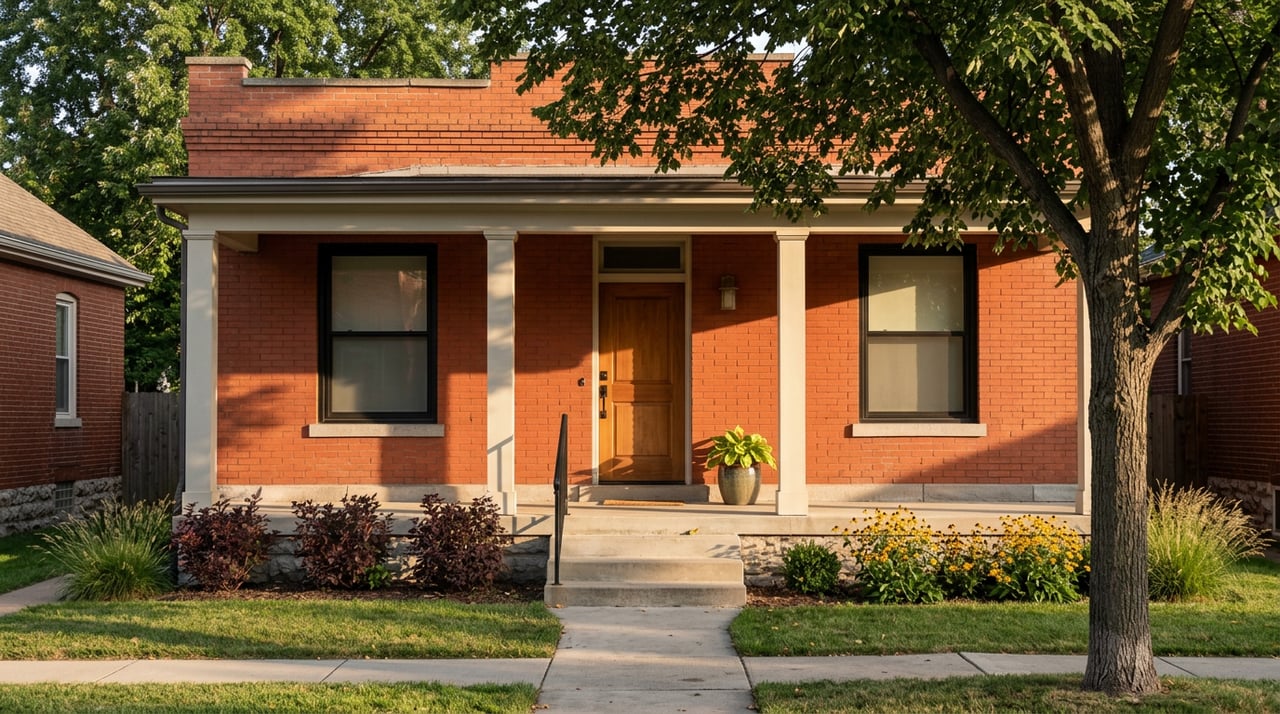
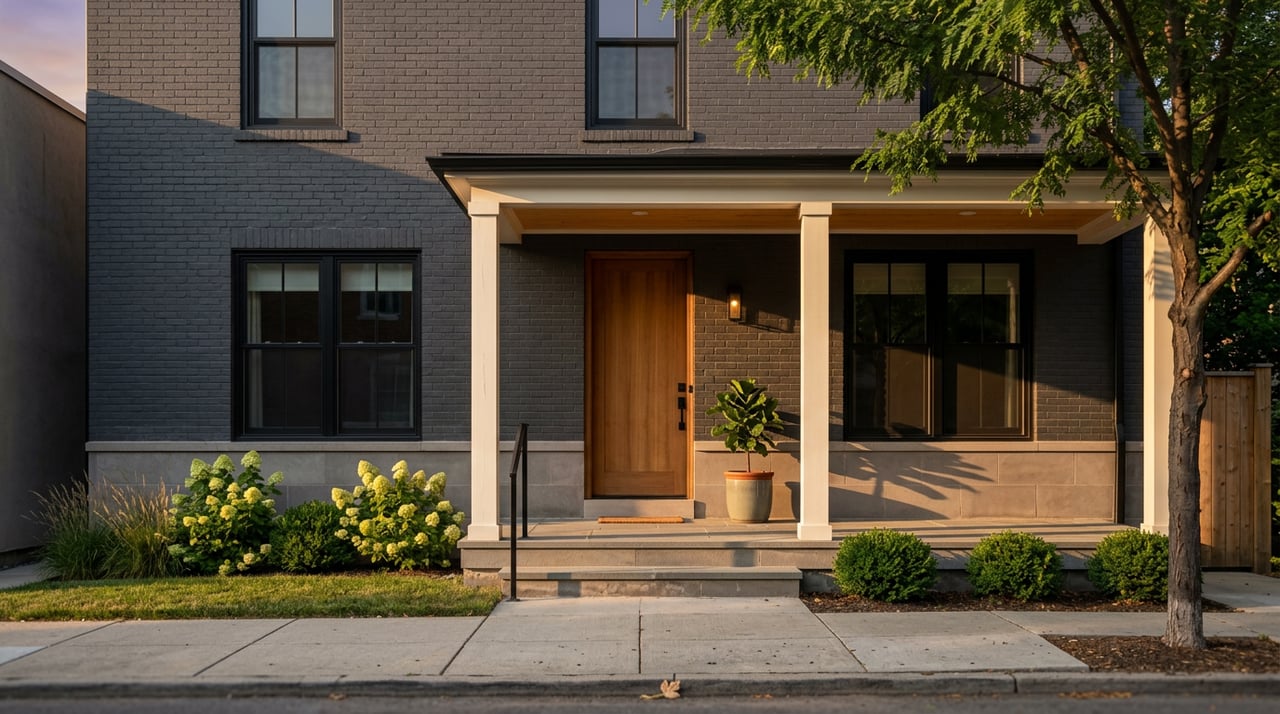
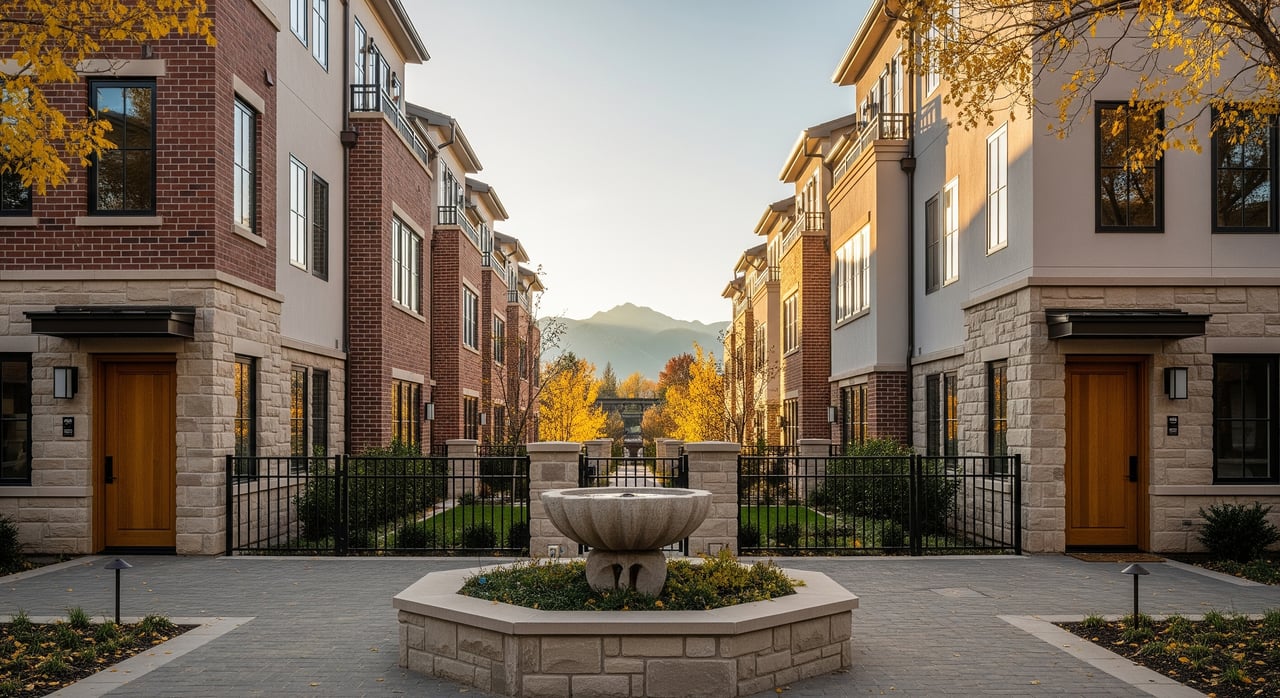
Berkeley has a mix of older buildings and newer infill townhomes. That variety means associations differ in age, size, and complexity. Some are self-managed by a volunteer board. Others use a professional management company. Management model often affects response times, document quality, and vendor contracts.
What HOA dues usually cover
Townhome dues typically pay for shared needs. Expect coverage for exterior building maintenance on common elements, common-area landscaping and snow removal, and shared-area utilities and lighting. Dues usually include a master insurance policy for common elements and reserve contributions for future capital repairs.
Most dues also cover management, accounting, and basic services like trash and recycling. If the community has amenities, those add cost. Pools, private roads, and extensive landscaping increase the budget and your monthly dues.
What dues usually do not cover
You will usually pay for interior maintenance and finishes within your unit. That includes appliances, flooring, and interior paint. Utilities inside your unit are typically separate. You also carry a personal HO-6 policy to cover contents and any gaps not covered by the master policy.
Why dues vary
- Size of the association and number of units
- Age and condition of buildings
- Reserve study findings and reserve funding levels
- Insurance premiums and deductibles
- Scope of common elements and amenities
- Local vendor and labor costs
Who handles maintenance
Every association defines maintenance boundaries in its Declaration and maps. Common elements are owned by the HOA. Limited common elements, like balconies or assigned parking, are reserved for certain owners but may be maintained by either the HOA or the owner depending on the documents. The unit itself is typically the owner’s responsibility.
For townhomes, the HOA often handles the exterior envelope such as roof, siding, gutters, and shared driveways. Owners usually handle interior systems and finishes. Windows and doors vary by association, so read the exact language. When in doubt, look for diagrams that show unit lines and responsibility.
Documents to request and review
Ask for the complete resale packet or estoppel as soon as you go under contract. You should receive:
- Governing documents: CC&Rs, bylaws, rules, and the condo map if applicable
- Financials: current budget, last year’s budget, balance sheet, income and expense statements, and a delinquency report
- Reserve study and reserve policy
- Insurance declarations for the master policy, plus D&O and fidelity coverage
- Board and annual meeting minutes for the last 12 to 24 months
- Litigation disclosures and any settlement agreements
- History of special assessments over the last 5 to 10 years
- Management contract and major vendor agreements
- Warranties if the project is newer and still within developer periods
- A resale certificate showing assessment status, restrictions, and project eligibility info for lenders
How to read them
- Compare the reserve study to the budget. Are reserve contributions aligned with recommendations?
- Review insurance deductible amounts. Large deductibles can become owner exposure in a claim.
- Read maintenance and alteration sections in the CC&Rs. Flag any vague language.
- Scan minutes for recurring issues: leaks, roof failures, paving problems, or ongoing disputes.
- Note legal fees and any active lawsuits. Ask for details and estimated exposure.
- Confirm pet, rental, and leasing rules if these matter to your plans.
Red flags to watch
Document red flags include no recent reserve study or very low reserves, frequent or upcoming special assessments, and high owner delinquency. Large or rising legal fees without clear explanation also warrant a closer look. Watch for vague maintenance language, unusually large insurance deductibles, and management turnover.
Operational red flags include poor transparency or difficulty obtaining documents, visible deferred maintenance, and inconsistent rule enforcement. In newer projects, make sure there is a clear transition plan if the developer still controls the board.
Townhome vs single-family in Berkeley
Townhomes offer a lower-maintenance lifestyle with shared exterior care. You trade yard space and some privacy for fewer weekend chores and a more predictable maintenance plan. In a single-family home, you control the exterior but take on full responsibility for roofs, siding, landscaping, and snow removal.
Financially, compare your total monthly cost. Add mortgage, taxes, HOA dues, utilities, insurance, and any assessment payments. Lender requirements can differ based on whether the townhome is a condominium regime or a planned community, and they may review owner-occupancy rates, reserves, and litigation.
In Berkeley, building age and style vary block to block. Older associations may face deferred repairs. Newer infill townhomes might still be under developer control or have different maintenance allocations. Parking rules also vary by association and street, so review HOA parking policies and local regulations.
Your due diligence checklist
Before you write an offer:
- Gather the basics: dues, planned assessments, number of units, management type
- Confirm rental and pet policies if relevant
- Ask about owner-occupancy percentage and whether the project is a condo or planned community
During escrow:
- Obtain the full resale packet and start reviewing immediately
- Read CC&Rs for maintenance boundaries and alteration rules
- Review budgets, financials, and the reserve study side by side
- Obtain master insurance declarations and confirm your HO-6 needs
- Read minutes for the last 12 to 24 months; note recurring issues
- Request a delinquency report and owner ledger for the unit
- Verify any voted or pending special assessments
- Inspect common areas with an attached-home-savvy inspector
- Confirm the documents satisfy lender requirements
- Ask for details on any lawsuits and legal costs
After closing:
- Introduce yourself to the board or manager and set up payment portals
- Collect all remotes, keys, and parking or amenity credentials
Local tips for Berkeley buyers
- Expect variety: two similar-looking townhomes may have very different HOA structures and costs
- Focus on reserves, insurance deductibles, and the last year of minutes for the clearest picture
- Walk the property at different times to observe parking, lighting, snow removal, and trash routines
- If anything is missing or hard to obtain, treat that as a negotiation point or a reason to pause
Buying in Berkeley should feel exciting, not overwhelming. If you want a second set of eyes on an HOA packet or help comparing a townhome to a single-family option nearby, we’re here for it. Reach out to Camp Fire Real Estate to talk through your plans.
FAQs
What do HOA dues typically cover in Berkeley townhomes?
- Dues usually cover exterior maintenance on common elements, landscaping, snow removal, trash, common utilities, a master insurance policy, reserves, and management costs.
How can I tell who pays for the roof and siding?
- Read the CC&Rs and the condo or plat map. The documents define unit lines and responsibility. Do not assume the HOA pays without confirming.
What are the biggest HOA red flags for buyers?
- Low reserves, frequent special assessments, high delinquencies, large legal fees, vague maintenance language, and unusually high insurance deductibles.
Are townhomes cheaper than single-family homes each month?
- Sometimes, but not always. Compare total monthly costs, including dues, insurance, utilities, taxes, maintenance, and any assessment payments.
What should I review first in the resale packet?
- Start with the budget, reserve study, insurance declarations, and the last 12 to 24 months of meeting minutes. These reveal the most about financial health and upcoming repairs.
Will lenders review the HOA when I buy a townhome?
- Yes. Lenders often check reserves, owner-occupancy, and litigation, and they may require specific project documentation depending on the classification.