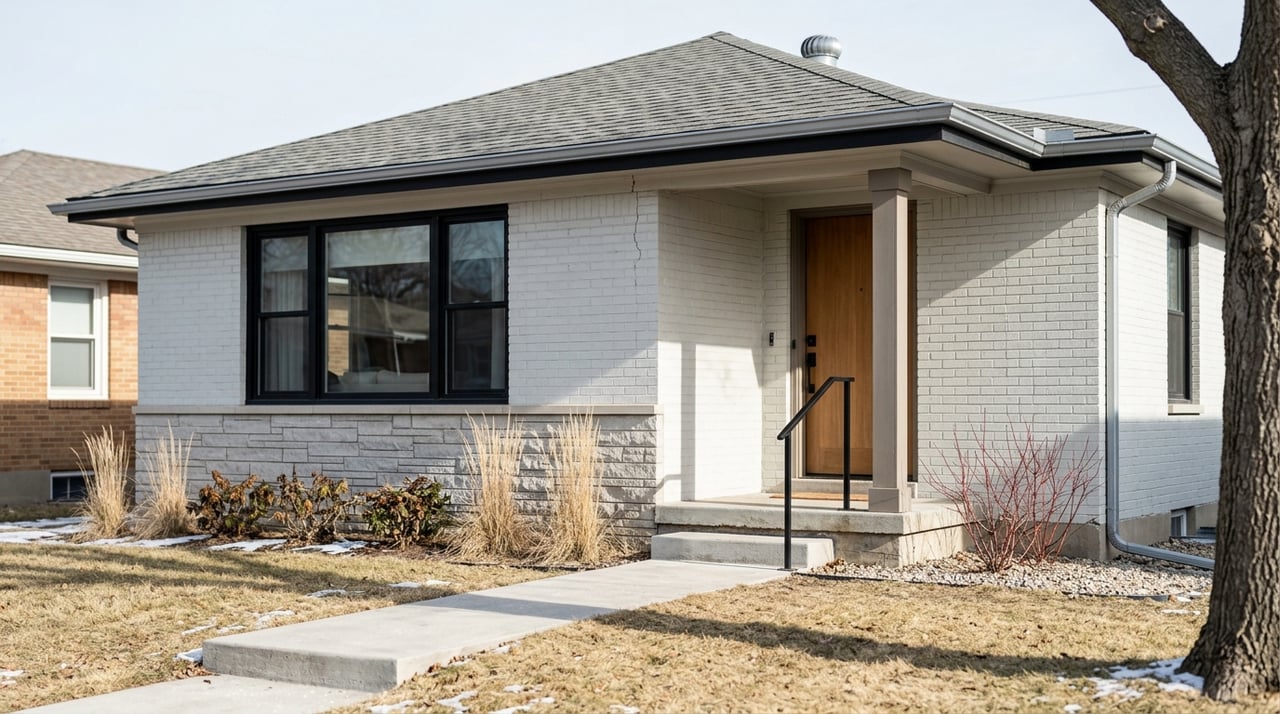
Older homes in Sunnyside can be easy to fall for. A front porch, original brick, and the kind of block-by-block character you do not always find in newer areas can make a house feel special the moment you walk up. But if you are thinking about buying one, charm is only half the story. The other half is knowing what may be hiding behind the walls, under the roof, or below the yard. In this guide, you will learn what makes Sunnyside’s older homes appealing, where inspection surprises tend to show up, and how to budget for repairs before you buy. Let’s dive in.
Why Sunnyside homes feel so distinct
Sunnyside is one of Denver’s original neighborhoods, with roots going back to 1872. According to Denver Public Library, it began as a small area of just three blocks and later grew into the neighborhood people know today, roughly between 38th Avenue and I-70, and from Inca Street to Federal Boulevard.
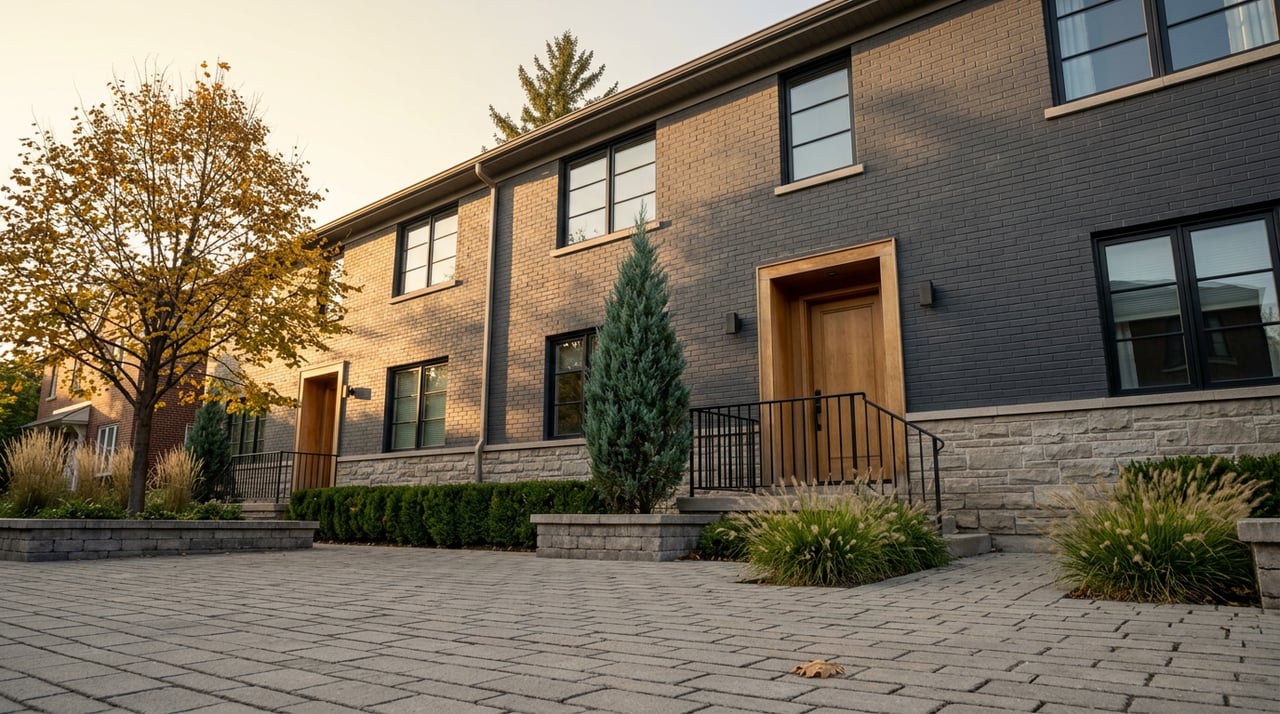
That long history helps explain why housing stock in Sunnyside can vary so much from one block to the next. The area evolved from farms and orchards to wartime Quonset huts and postwar frame homes, so you may see cottages, bungalows, brick homes, and newer infill all within a short walk.
Denver’s Near Northwest Area Plan also notes that Sunnyside is mostly single-unit residential, with denser residential areas toward the eastern end. In some parts of the neighborhood, bungalows and cottages still define the look and feel, while newer homes often lean more contemporary.
What charm usually means in Sunnyside
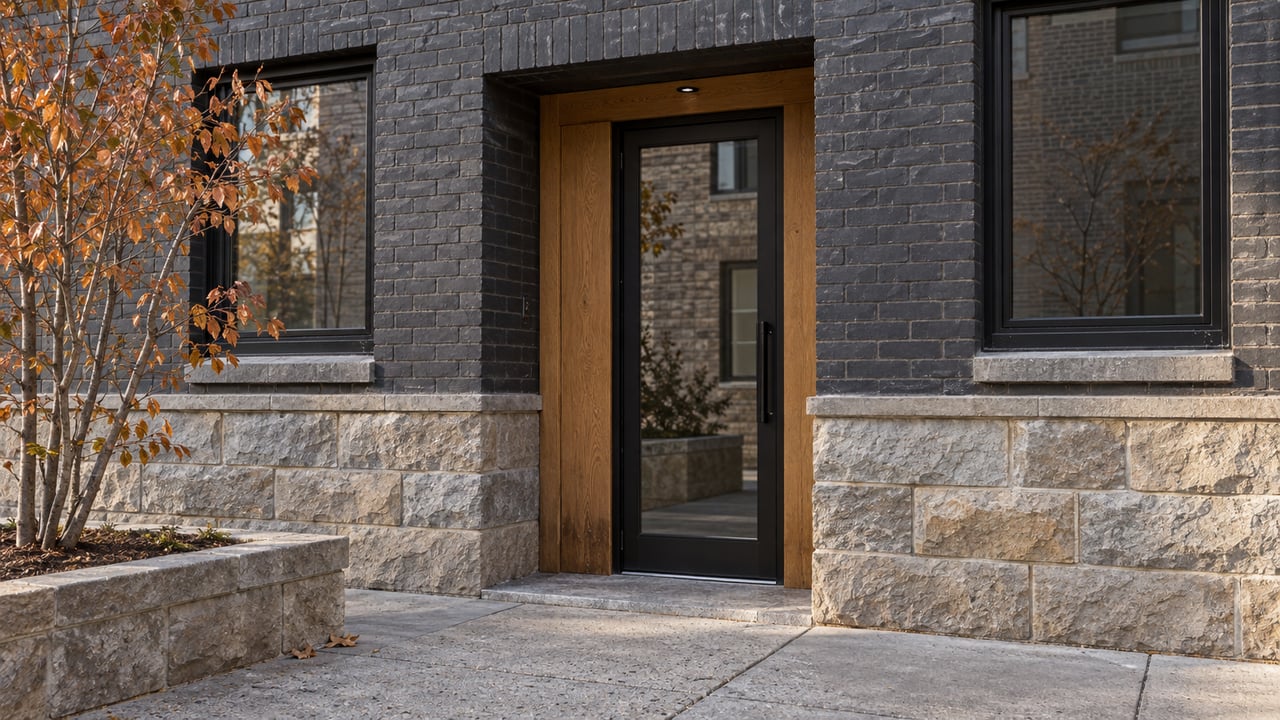
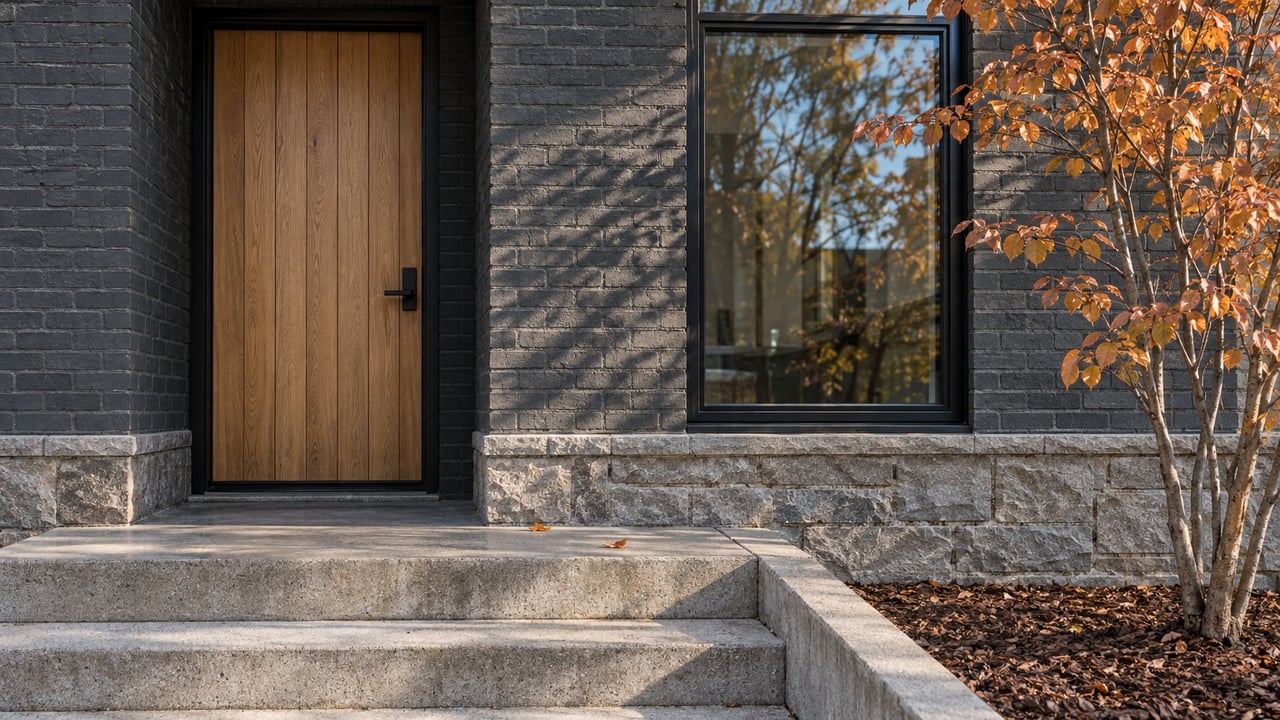
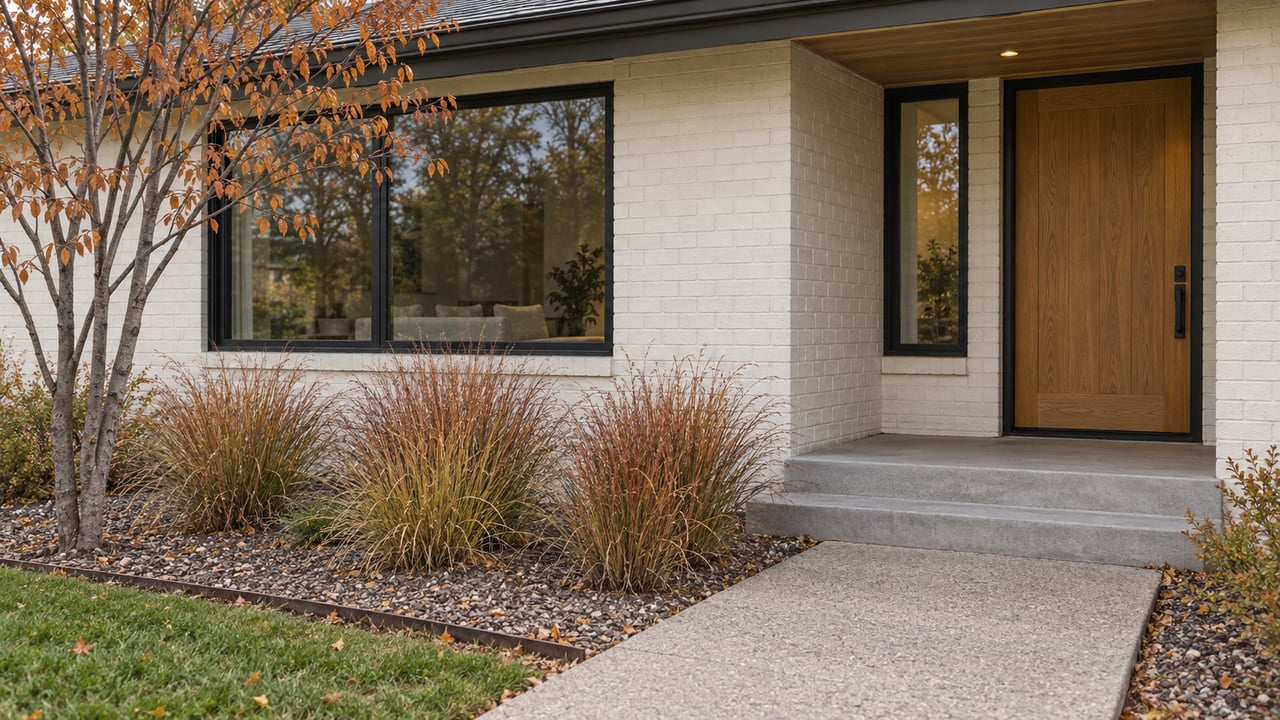
In Sunnyside, older-home charm often shows up in the details. You may find front porches, pitched roofs, brick-heavy exteriors, and smaller-scale homes that feel tied to the neighborhood’s early form.
Those features are not just aesthetic. Denver’s conservation overlays in Sunnyside were created to keep new development closer to the neighborhood’s existing scale, including front porches, smaller massing, lower heights for flat roofs, and brick on certain blocks. For you as a buyer, that means homes that keep their original character can hold a lot of appeal, especially when major systems have already been updated.
Where inspection issues often appear
Older homes do not automatically mean bad homes. But they do require a sharper eye during due diligence, especially in a neighborhood like Sunnyside where many homes were built long before current building standards.
Roof and exterior condition
Roofing can be one of the biggest surprise costs in an older purchase. Average roof replacement costs generally range from about $5,700 to $16,000, or roughly $3 to $6 per square foot installed.
In Sunnyside, it is smart to pay extra attention to the exterior details that give these homes their character. Porch framing, flashing, rooflines, and brick or mortar condition deserve a close look, especially on homes with original or long-standing exterior materials.
Foundation movement and water issues
Foundation findings can quickly change your budget. Average foundation repair costs are about $5,174, with a common range of $2,225 to $8,134.
During inspection, watch for cracks, settlement, leaks, or bowed walls. A home that looks cosmetically attractive can still need significant structural work, so this is one area where a detailed inspection matters.
Electrical updates
Many older homes need some level of electrical modernization. Electrical panel replacement averages about $1,344, with a typical range of $518 to $2,188, and some projects can reach $4,500 depending on the scope.
If a home still has an older panel or limited service capacity, that may affect both safety and your renovation plans. It is especially important if you hope to update kitchens, add air conditioning, or finish basement space later.
Sewer and water lines
The systems you cannot see are often the ones that cost the most. Sewer line replacement averages about $2,000 to $10,000 for a 40-foot line, while repairs can range from about $150 to $3,800 depending on the issue.
Tree roots, clogs, cracks, and line collapse are common reasons buyers get surprised after closing. That is why a sewer scope is one of the most valuable add-on inspections for an older Sunnyside home.
On the water side, main water line replacement averages about $2,000 to $5,000, or around $50 to $250 per linear foot depending on the method. Denver Water also says homes built before 1951 are more likely to have lead service lines, so checking the service line is an important part of older-home due diligence.
Lead, asbestos, and radon
Environmental testing matters in older homes. For pre-1978 homes, the safest assumption is that lead-based paint may be present unless a certified inspector or risk assessor confirms otherwise.
If you plan to remodel, asbestos should also be on your radar. The EPA says you cannot identify asbestos by sight alone, so suspect materials like old floor tile, ceiling tile, or pipe wrap should be sampled by a trained and accredited professional before disturbance.
Radon is also worth testing no matter the home’s age or style. Colorado’s public health department says about half of homes in Colorado test above the EPA action level of 4 pCi/L, which makes radon testing standard due diligence in Denver.
The inspections worth ordering
A standard home inspection is the baseline, but it usually should not be the only step when you are buying an older home in Sunnyside. The right inspection package can help you understand whether you are looking at a manageable update or a much larger project.
Core inspections to consider
- General home inspection
- Sewer scope
- Radon test
- Specialist reviews if the inspector flags roof, foundation, electrical, or suspect materials
If the home is older and you plan to renovate soon, you may also want to confirm the build year early and treat pre-1978 paint and pre-1951 water service as possible risk items.
How to budget for repairs without overreacting
The goal is not to panic every time an inspector finds something. Most older homes will have a list of issues. What matters is whether you are looking at one major capital item, several medium-sized repairs, or mostly routine maintenance.
A practical repair reserve for a Sunnyside purchase often depends on how those items stack up. A roof, sewer line, and electrical panel in the same first year create a very different budget picture than paint, fixtures, and a few minor fixes.
Planning ranges to keep in mind
| Item | Typical planning range |
|---|---|
| Roof replacement | $5,700 to $16,000 |
| Foundation repair | $2,225 to $8,134 |
| Electrical panel upgrade | $518 to $2,188, with some jobs up to $4,500 |
| Main water line replacement | $2,000 to $5,000 |
| Sewer line replacement | $2,000 to $10,000 |
These are planning ranges, not quotes. They are most useful for pressure-testing your budget before you remove contingencies or commit to a renovation plan.
Renovation timing in Denver
If you are buying an older home because you want to improve it over time, permits need to be part of your timeline. Denver says permits are required for most construction, alteration, or repair work on private property.
Some roofing, siding, electrical, mechanical, and plumbing work may qualify for quick permits without plan review. But larger or more complex projects can take much longer, and Denver’s review dashboard uses rolling 90-day averages that vary by project type.
The simple takeaway is this: smaller repairs may move in weeks, while permit-heavy remodels can stretch into months. If you are buying with renovation in mind, build that timing into your expectations from day one.
Value-add ideas that fit Sunnyside
In Sunnyside, the best value-add projects are often the ones that improve how the home lives without stripping away the features that made you want it in the first place. Based on Denver’s overlay standards, that often means modernizing systems and interiors while respecting the home’s exterior character.
Common value-add projects
- Restoring or repairing front porches
- Repairing rooflines and exterior details
- Updating kitchens and baths
- Finishing basements
- Exploring an ADU where zoning and lot conditions allow
Denver now allows ADUs in all residential areas of the city, and city guidance says they can be detached, attached, or created from converted attic or basement space. Before making plans, you should verify the property’s zoning district and any applicable overlay in Denver’s zoning map.
If you are considering an ADU or similar project, Denver requires zoning, building, and sewer use and drainage permits. In single-unit zone districts, the property owner must live on the property when applying.
A smart Sunnyside buying checklist
Buying an older home here is often less about finding a perfect house and more about understanding the true scope of ownership. The most confident buyers usually go in with a plan for both inspections and future repairs.
Before you buy
- Confirm the home’s build year
- Treat pre-1978 paint as a potential lead concern
- Treat pre-1951 water service as a possible lead service line issue
- Order a general inspection, sewer scope, and radon test
- Add specialist reviews if the inspector flags major concerns
- Check permit history if you plan to remodel soon
- Verify zoning and any conservation overlay before planning additions or an ADU
- Get contractor bids early for major items
The safest strategy is simple: buy the charm, budget for the systems, and let the inspection report guide how much value-add is truly realistic.
If you are weighing an older Sunnyside home and want help thinking through inspection risk, renovation upside, or what a repair list means in the context of your offer, Camp Fire Real Estate is here to help you sort through it with a clear local lens.
FAQs
What should you inspect first when buying an older home in Sunnyside?
- Start with a general home inspection, then add a sewer scope and radon test. If the inspector finds concerns with the roof, foundation, electrical system, or suspect materials, bring in the right specialists before moving forward.
What are common repair costs for older Sunnyside homes?
- Planning ranges include about $5,700 to $16,000 for a roof, $2,225 to $8,134 for foundation repair, $518 to $2,188 for an electrical panel upgrade, $2,000 to $5,000 for a main water line, and $2,000 to $10,000 for sewer line replacement.
Do older Sunnyside homes need radon testing?
- Yes. Colorado’s public health department says about half of homes in Colorado test above the EPA action level, and radon risk is not tied to a home’s age or style.
Why do Sunnyside homes vary so much by block?
- Sunnyside developed over a long period, starting in 1872 and evolving from farms and orchards to wartime and postwar housing. That history created a mix of cottages, bungalows, frame homes, brick homes, and newer construction.
Can you add an ADU to a Sunnyside property?
- Maybe, but you need to verify zoning, overlays, and lot-specific conditions first. Denver allows ADUs in all residential areas, but permit requirements and owner-occupancy rules can apply depending on the zoning context.