Life in Wash Park often looks simple from the outside: a morning loop, a coffee stop, maybe a walk down Pearl or Gaylord before heading home. But when you spend real time here, you start to see why so many people stay rooted in this part of Denver. If you are wondering what daily life actually feels like in and around Washington Park, this guide will walk you through the homes, routines, streets, and small habits that shape the neighborhood. Let’s dive in.
What Wash Park Really Means
When people say “Wash Park,” they usually mean both the park itself and the surrounding residential area. On the ground, that area is commonly understood as two parts: East Washington Park and West Washington Park.
East Washington Park is generally described by its neighborhood association as stretching from Alameda Avenue to I-25 and from University Boulevard to Franklin Street. West Washington Park is commonly bounded by Broadway, Downing, Speer Boulevard, and I-25. That split matters in everyday life because it influences which streets you use, where you run errands, and which neighborhood business district feels closest.
The park at the center of it all also carries real historic weight. Denver Parks notes that the Washington Park Boathouse was completed in 1913 as part of the City Beautiful era, and the park is listed on both the U.S. National Register of Historic Places and the Colorado State Register of Historic Properties. That history helps explain why the area feels established, layered, and deeply tied to Denver’s identity.
Park Life Shapes the Day
In Wash Park, the park is not just scenery. It acts like the neighborhood’s daily schedule.
Washington Park is built around lakes, gardens, open lawns, and loop paths that support a wide range of routines. According to Visit Denver, the park includes Smith Lake and the south garden and lake area, along with space for walking, running, cycling, fishing, paddle boat rentals, volleyball, tennis, fields, playgrounds, and picnics.
Two loop options help define the neighborhood rhythm. There is an inner paved loop of about 2.3 miles and an outer dirt path of about 2.6 miles. For many residents, that means the park works as both a destination and a practical everyday exercise circuit.
The feel is also more pedestrian-focused than many people expect. Denver Parks notes that park road and parking closures began in 2020 in several parks to create more recreation space, and access to the Washington Park Recreation Center is routed through Franklin Street entrances near East Exposition and East Kentucky. In practice, that creates a park experience that feels more centered on people moving through it than cars passing through it.
Why the Loops Matter
Those loop lengths sound like small details, but they shape how people use the neighborhood. A short walk can stay casual, while a longer workout can fit easily into a morning before work.
That is part of why Wash Park feels active without feeling rushed. You see people fitting movement into normal life rather than treating recreation like a special trip across town.
Homes Feel Established, Not Manufactured
The housing story in Wash Park starts well before today’s market. The Washington Park East Neighborhood Association says East Washington Park had streetcar service by 1889, and nearly one hundred houses had already been built in South Denver by that time.
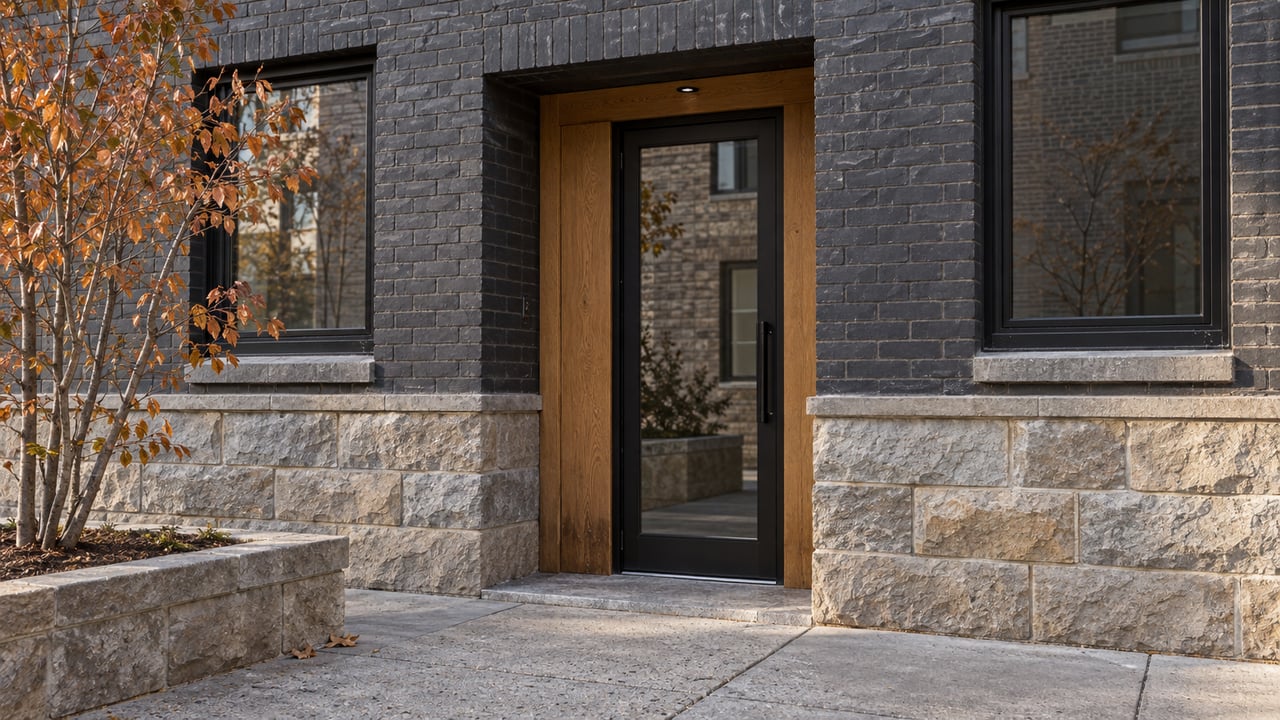
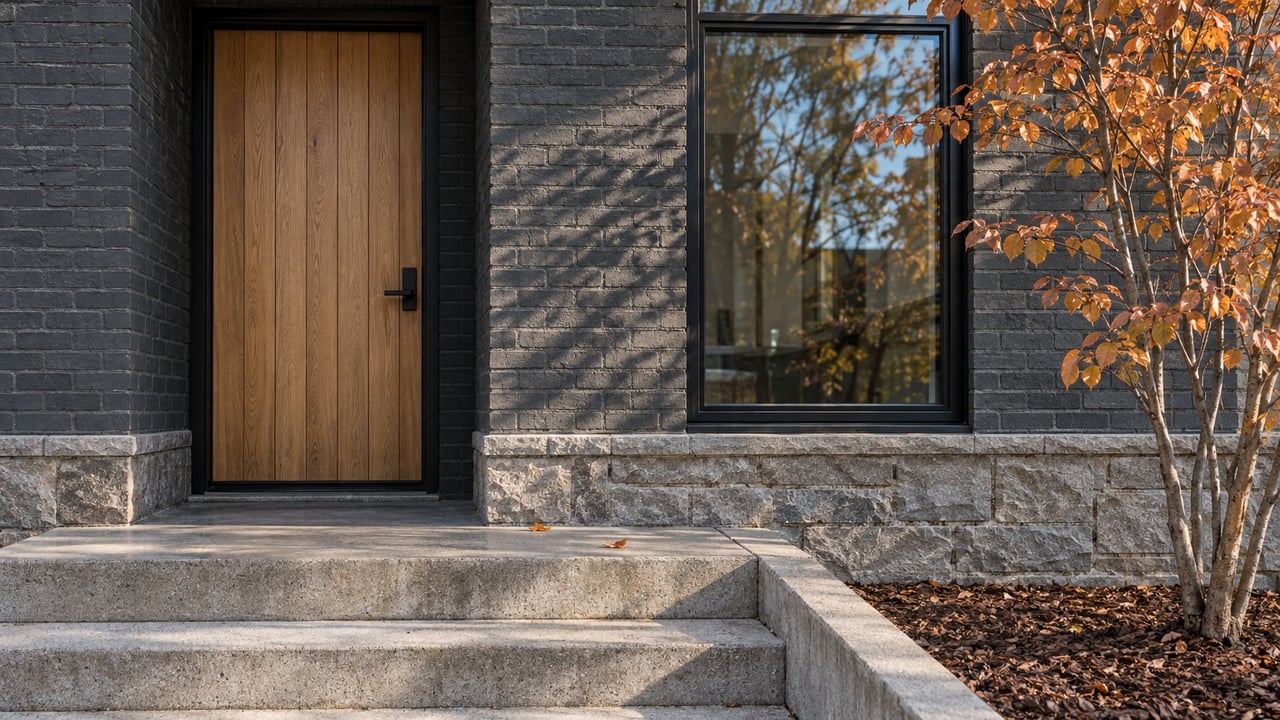
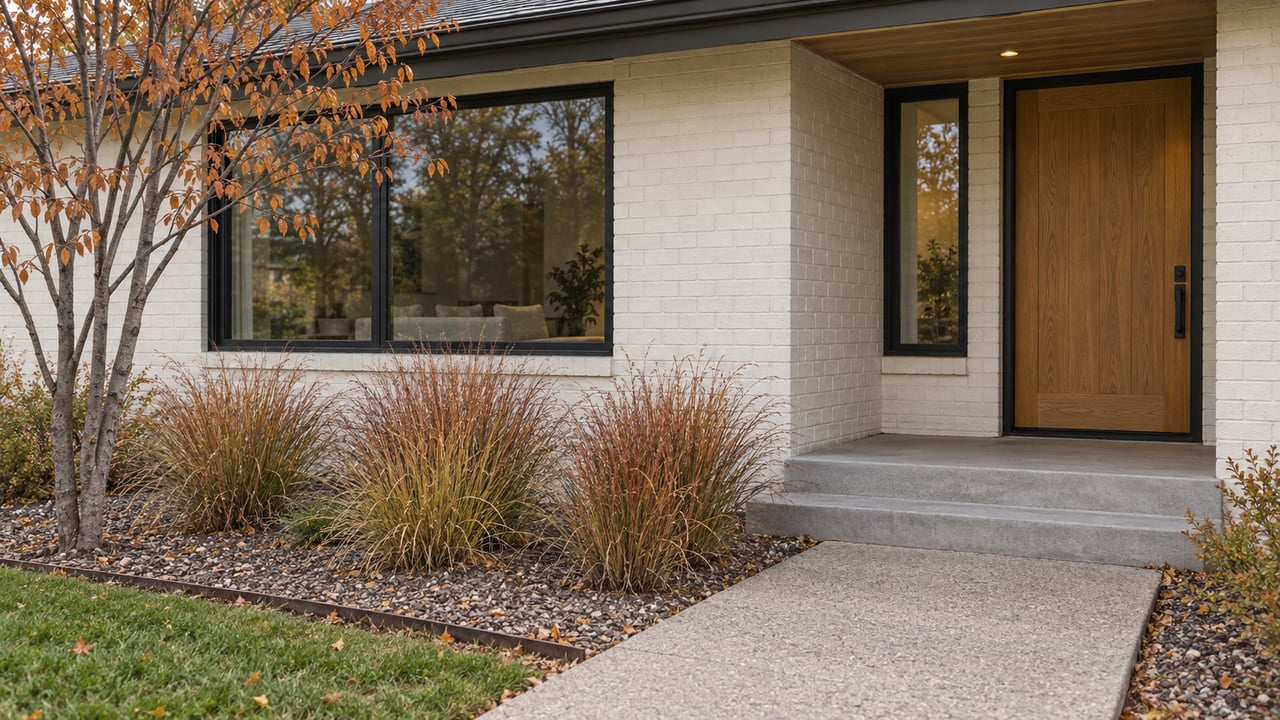
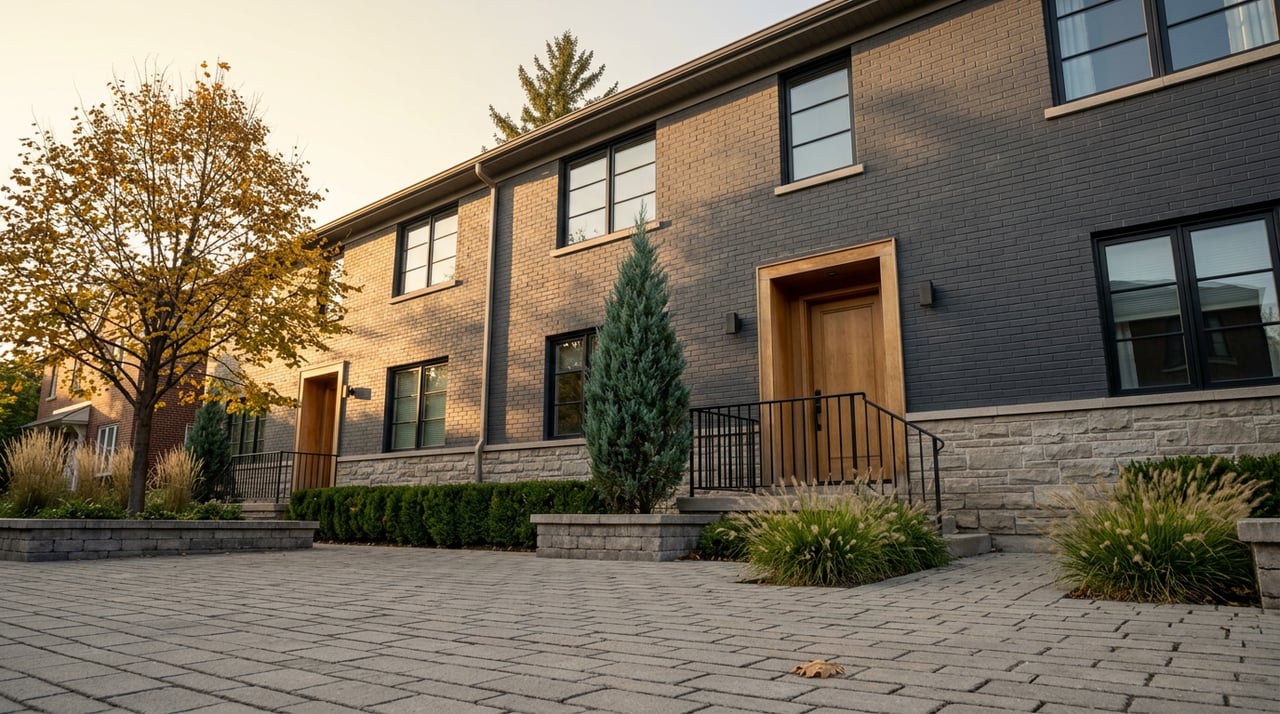
As the park developed, the surrounding neighborhood grew with it. Over time, that created a residential pattern that feels older, more varied, and more adapted than uniform. Instead of one dominant housing type, you tend to see homes shaped by different decades, additions, and updates.
That layered look still shows up today. Neighborhood history from WPENA notes that as development pressure increased, some smaller historic homes were expanded with pop tops, while others were scraped and rebuilt. Denver zoning guidance also notes that historic carriage homes still exist in older neighborhoods, including West Washington Park.
What That Means for Buyers
If you are home shopping in Wash Park, it helps to expect variety. One block can include older bungalows, substantially updated homes, larger rebuilds, and detached structures that reflect the neighborhood’s long evolution.
That mix is part of the appeal, but it also means you want to look closely at condition, renovation quality, and how a home fits your daily routine. In a neighborhood like this, value is often tied to both location and how thoughtfully a property has been updated over time.
South Pearl and South Gaylord Drive Daily Life
Wash Park does not revolve around big commercial centers. Daily life tends to cluster around a few walkable streets that feel local, familiar, and tied to the neighborhood’s history.
South Pearl Street describes itself as one of Denver’s most historic and popular shopping districts, with tree-lined blocks and a mix of locally owned shops and restaurants. Historic Old South Gaylord Street describes itself as the second-oldest shopping district in Denver and notes that the block between Mississippi and Tennessee includes local shops, dining, health and beauty services, co-working, and community events.
Visit Denver adds another detail that helps explain the atmosphere on South Gaylord: many businesses there occupy converted late-19th-century houses. That gives everyday errands a different feel than a newer retail strip. You are not just stopping for coffee or dinner. You are moving through a district that still reflects the neighborhood’s original scale.
The Morning Coffee Pattern
Coffee is a real part of Wash Park’s routine. A few nearby spots show how morning life gathers around the park and surrounding streets.
Wash Perk sits at 853 E. Ohio Ave., just a few blocks from the park. Stella’s Coffee Haus has served coffee on South Pearl since 1991 and includes a dog-friendly patio. Roast Coffee Bar is at 1085 S. Pearl, and Lavender Coffee Boutique is at 1219 S. Pearl.
Taken together, these spots help create what feels like a morning-first neighborhood rhythm. You can picture the sequence easily: a park lap, a coffee stop, and then the rest of the day unfolding from there.
Wellness Is Built Into the Neighborhood
Wash Park also has a strong cluster of boutique wellness and fitness businesses near the park. That concentration matters because it supports everyday convenience, not just lifestyle branding.
Commit Fitness has a Wash Park location at 2326 E. Exposition. The Pilates Studio is at 614 E. Kentucky, Center Strength Studios is at 1058 S. Gaylord, and Whole Body Studios offers Pilates, barre, and yoga at 747 S. University.
This mix suggests a neighborhood built around smaller, local studios rather than a big-box gym corridor. For many residents, movement, coffee, errands, and social routines can happen within just a few blocks.
Walkability Is Strong, but Edges Matter
A big reason people are drawn to Wash Park is that daily life can feel highly walkable. The park, coffee shops, shopping streets, and wellness businesses are clustered in ways that support short trips on foot or by bike.
At the same time, traffic and parking are real parts of the neighborhood experience, especially around the perimeter and near commercial streets. WPENA’s 2026 meeting updates focused on traffic concerns in Wash Park East, including traffic-safety requests and the Alameda project. WPENA also noted a joint letter with West Washington Park encouraging the city to move forward with lane repurposing on East Alameda Avenue.
Parking can also shift depending on where and when you go. Historic Old South Gaylord Street notes that resident-only parking restrictions apply on Thursday, Friday, and Saturday nights, even though on-street parking is available.
Getting Around Without Driving Everywhere
Transit adds another layer of practicality. Historic South Gaylord notes service from RTD bus routes 11 and 24 and the H Line. Visit Denver also notes that South Pearl can be reached from the E Line via the Louisiana and Pearl station.
So while many people still drive for some trips, Wash Park supports a more flexible daily pattern than many Denver neighborhoods. You can often combine walking, biking, transit, and short drives depending on the day.
Community Life Feels Active and Organized
One thing that stands out in Wash Park is how organized the community life is. This is not just a neighborhood with a great park. It is a place where local groups, volunteer organizations, and business districts create a steady calendar of activity.
WPENA says it organizes events including a July 4 celebration, annual yard sale, board meetings, and happy hours. The West Washington Park neighborhood association notes its long involvement in zoning, transportation, and livability issues. FANS of Washington Park supports education, stewardship, and park improvement efforts.
The business districts add even more energy. South Pearl hosts events such as Final Friday, Pride on South Pearl, Oktoberfest, and Winterfest. Historic South Gaylord hosts events including the Memorial Weekend Kickoff to Summer Festival, Firefly Handmade Markets, and Halloween Trick or Treat Street.
South Pearl also says its farmers market runs Sundays from 9 a.m. to 1 p.m., May 3 through November 8, 2026, on the 1400 and 1500 blocks. That kind of recurring event schedule reinforces the neighborhood’s everyday cadence and gives residents familiar places to return to week after week.
What Everyday Life Feels Like
The easiest way to understand Wash Park is to think in routines, not just features. It is a neighborhood where park loops, coffee runs, small shopping streets, and local studios create a practical rhythm for daily life.
It also feels rooted in history. The park’s historic identity, the older housing stock, and the long-standing commercial streets all give the area a sense of continuity that many buyers look for in central Denver.
For some people, that means a highly walkable lifestyle centered on the park. For others, it means finding a home with character and understanding how preservation, updates, and location all influence value. Either way, Wash Park tends to appeal to people who want more than a house. They want a neighborhood routine that feels easy to come back to.
If you are thinking about buying or selling in Denver and want a clear read on how a neighborhood actually lives day to day, Camp Fire Real Estate is here to help you make a grounded, informed move.
FAQs
What is included in the Wash Park area in Denver?
- Wash Park commonly refers to both Washington Park itself and the surrounding residential area, which is often understood as East Washington Park and West Washington Park.
What are the main trails and paths in Washington Park?
- Washington Park is known for an inner paved loop of about 2.3 miles and an outer dirt path of about 2.6 miles, along with lakes, gardens, and open recreation areas.
What kind of homes are common near Wash Park?
- Homes near Wash Park are generally shaped by older streetcar-era development, later additions, renovation work, and some rebuild pressure rather than one uniform style of new construction.
Where do people go for coffee near Washington Park?
- Common neighborhood coffee stops mentioned in the area include Wash Perk near the park and several South Pearl options such as Stella’s Coffee Haus, Roast Coffee Bar, and Lavender Coffee Boutique.
Is Wash Park walkable for everyday errands?
- Wash Park supports a mostly walkable daily routine around the park and nearby business districts, though traffic and parking can matter more along the perimeter and on commercial blocks.
What are the main shopping streets near Wash Park?
- South Pearl Street and South Gaylord Street are two of the main commercial districts tied to everyday life in and around Wash Park.
Does Wash Park have community events throughout the year?
- Yes, the neighborhood and nearby business districts host recurring events such as yard sales, seasonal festivals, community gatherings, and the South Pearl farmers market.