Looking for a place that feels close to everything without feeling rushed? Wheat Ridge offers a day-to-day lifestyle that blends easy outdoor access, casual neighborhood gathering spots, and a housing mix with real variety. If you are trying to picture what it actually feels like to live here, this guide will walk you through the routines, places, and home styles that shape everyday life. Let’s dive in.
Why Wheat Ridge Feels So Livable
Wheat Ridge is a compact inner-ring city just west of Denver, and that location shapes a lot of daily life. The city highlights its access to major highways, Denver, the I-70 corridor, and the Rocky Mountains, which helps explain why many people see it as connected rather than far out.
That convenience shows up in the numbers too. Wheat Ridge had an estimated population of 32,081 as of July 1, 2025, with 9.34 square miles of land area and a mean travel time to work of 23.4 minutes. In practical terms, that points to an established suburb where getting around is often part of the appeal.
Wheat Ridge also feels organized around a few active corridors instead of isolated pockets. City planning documents point to West 38th Avenue and West 44th Avenue as important connectors for shopping, neighborhood activity, trail access, and movement through the city.
Trails Shape the Daily Routine
If you like to build outdoor time into a normal week, Wheat Ridge has a strong setup for it. The city’s Parks, Forestry and Open Space division maintains 21 parks, more than 170 acres of parkland, seven miles of trails, and 300 acres of open space.
The Clear Creek Trail is the centerpiece of that system. It runs about seven miles through the Wheat Ridge Greenbelt from Youngfield Street to Harlan Street, giving you a reliable route for biking, walking, and regular fresh-air breaks close to home.
This is not just a scenic extra. The trail network is part of how many residents can fit movement and outdoor time into busy schedules, whether that means a morning run, an evening bike ride, or a weekend walk with family or friends.
Clear Creek Trail Highlights
Clear Creek Trail supports a range of everyday activities, including:
- Walking
- Biking
- Fishing
- Gold panning
- Wildlife viewing
Trailheads at Creekside, Johnson, Anderson, and Prospect parks make access easier from different parts of the city. That kind of spread matters when you want outdoor options to feel practical, not just occasional.
Parks That Support Everyday Life
Several parks stand out because they serve different routines and age groups well. Discovery Park includes a skate park, splash pad, playgrounds, a play creek, picnic areas, public art, and a walking loop, making it a flexible spot for an afternoon outside.
Anderson Park is a 28-acre community park along the Greenbelt and Clear Creek Trail, and it also hosts city events and Anderson Pool. Prospect Park adds ball fields, fishing, horseshoe pits, a pond, pickleball, tennis, and picnic space, while Creekside Park offers a playground, pavilion, restrooms, picnic tables, and direct trail access.
Together, those amenities help explain why Wheat Ridge appeals to buyers who want outdoor access woven into regular life. You are not relying on one big destination park. You have a network of usable places spread across the city.
Regional Open Space Adds More Options
Wheat Ridge’s outdoor appeal goes beyond city boundaries. Jefferson County Parks & Open Space manages more than 58,000 acres, 27 parks, and more than 275 miles of trails across the county.
Crown Hill Park, located in Wheat Ridge, adds another layer to the lifestyle. Jefferson County describes it as a natural haven in a suburban setting, with birdlife, lake-side recreation, and a wildlife sanctuary. For buyers who want suburban convenience without giving up access to nature, that is a meaningful advantage.
Patios and Casual Gathering Spots
Not every great lifestyle feature has to be a major attraction. In Wheat Ridge, a lot of the social energy comes from neighborhood-scale places along key corridors, especially around 38th Avenue.
The city has identified 38th Avenue as a high-priority redevelopment area and a planned vibrant main street. That tells you something important about Wheat Ridge. Its social rhythm is less about a single entertainment district and more about a handful of active streets where people grab dinner, meet friends, or spend time on a patio close to home.
The Green at 38th, which opened in 2025, adds to that pattern. The city describes it as the first new park in a decade and a central hub along 38th Avenue, giving the corridor another shared public space.
What Patio Culture Looks Like Here
Wheat Ridge patio culture feels casual and neighborhood-based. A few examples from local businesses help paint the picture:
- Clancy’s Irish Pub on West 38th Avenue says it has two patios and four bars
- Hopper’s Sports Grill says it offers a spacious patio and sand volleyball courts
- Salsa’s Mexican Restaurant says outdoor seating is available
That mix suggests a practical, low-key social scene. You are more likely to find relaxed, repeatable neighborhood hangouts than a concentrated nightlife district.
Homes in Wheat Ridge: What Buyers Notice
Wheat Ridge stands out because its housing stock is mixed in a way that feels both established and evolving. The city says it has diversified its housing supply over the last 10 years with detached homes, small-lot homes, townhouses, duplexes, and apartments.
At the same time, the city also notes that its housing stock is older than many nearby communities. As of 2016, nearly 80% of single-family homes were built between 1940 and 1979, while only 12% were built in 1980 or later.
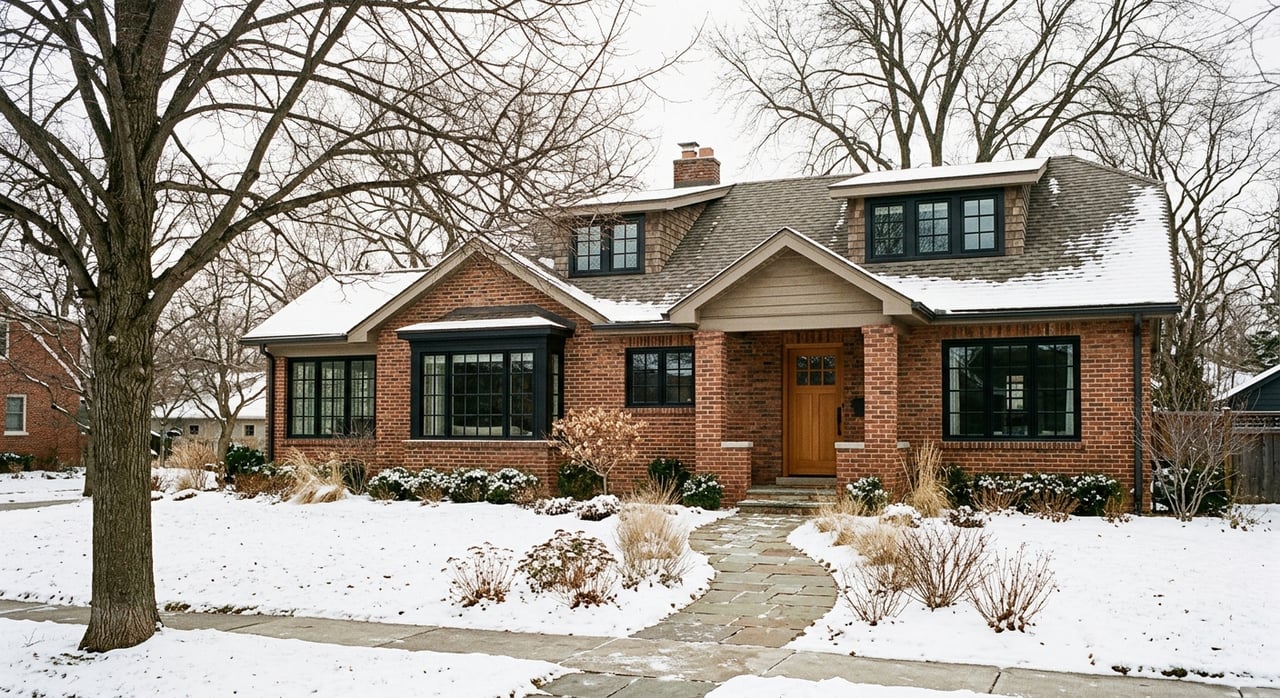
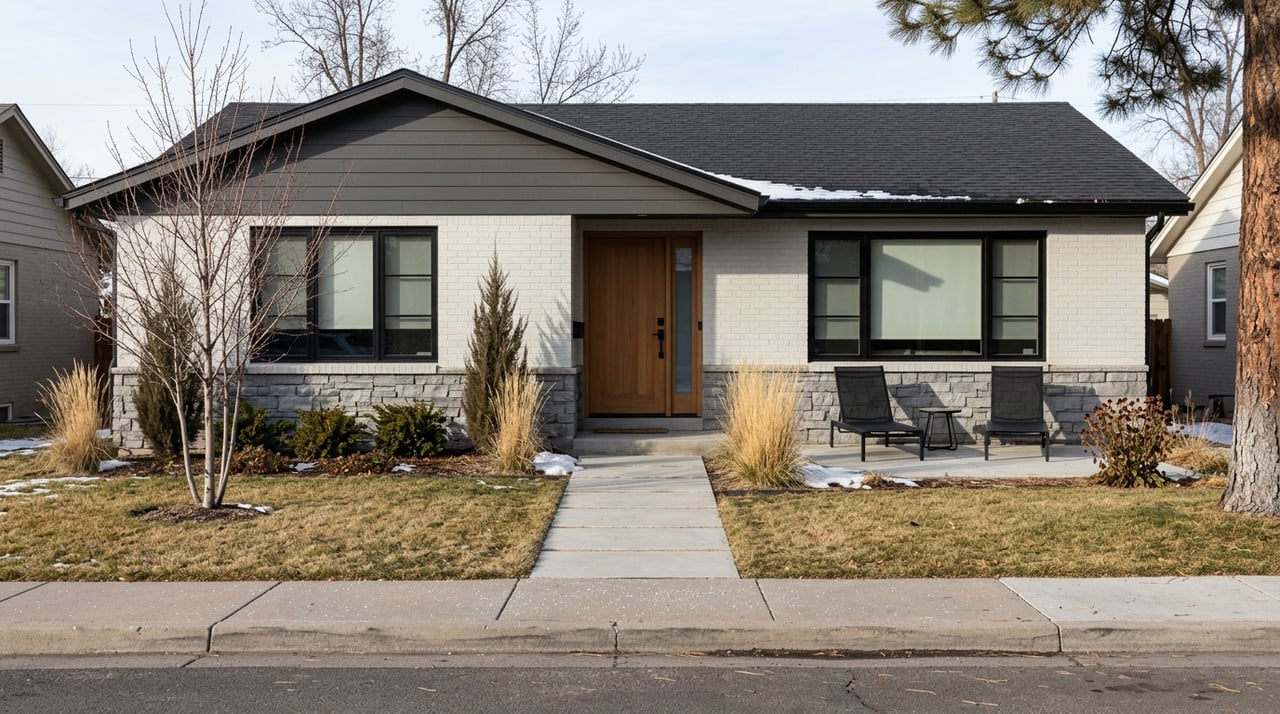
For buyers, that usually means you will see a lot of mid-century-era housing, including ranch-style homes and older single-family properties with mature lots and renovation potential. It is one reason Wheat Ridge often feels grounded and established rather than newly built all at once.
Older Homes and Newer Infill
The interesting part is how newer development layers into that older base. The city’s residential development page lists projects such as West End 38, Riverside Terrace, Clear Creek Terrace, Hance Ranch, Ridge at Ward Station, The Parallel, Fruitdale School Lofts, Town Center, and the Ives.
Planning efforts along 38th Avenue, 44th Avenue, and the Ward Station area show that change is not random. Redevelopment is being concentrated in key corridors and transit-adjacent areas, which helps preserve Wheat Ridge’s established feel while still adding new housing choices.
What the Housing Mix Means for You
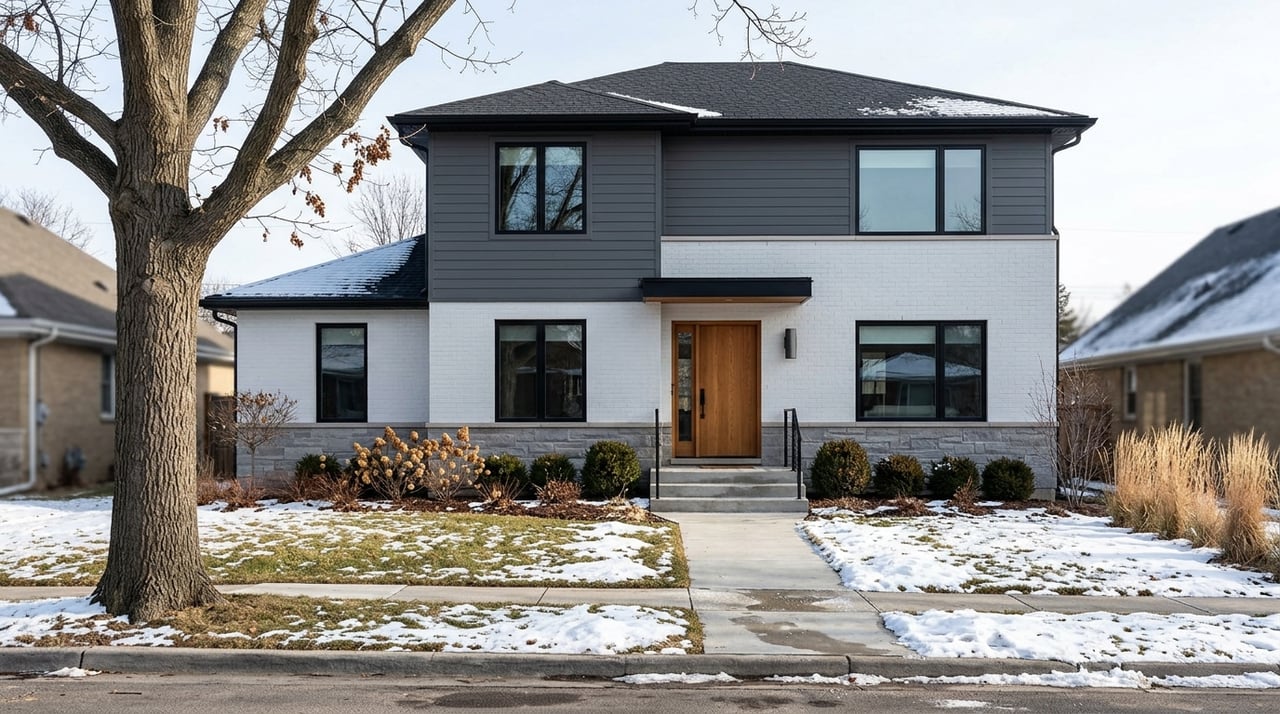
If you are buying in Wheat Ridge, the search can feel broader than in a neighborhood with one dominant product type. You may tour an older ranch, a townhome, a newer infill property, or a transit-adjacent development in the same general search window.
That can be a plus if you want options. It can also mean you need a clear sense of your priorities, especially around condition, layout, lot size, and how much updating you are comfortable taking on.
Wheat Ridge by the Numbers
A few data points help frame the market:
- Median owner-occupied home value: $623,000
- Median gross rent: $1,579
- Owner-occupied housing rate: 54.4%
Those figures suggest a market with strong owner-occupant presence and a meaningful mix of rental housing and newer product. In other words, Wheat Ridge is not just one thing. It is a city where older homes, established blocks, and newer redevelopment all play a role.
Is Wheat Ridge More Established or More New?
The short answer is both, but established is still the stronger feeling. Older single-family homes remain the foundation of the housing stock, and that gives much of the city its character.
Still, Wheat Ridge is clearly in a period of continued change. The city adopted a new comprehensive City Plan in September 2025 and formally adopted its Prosperity Plan in January 2025, with a focus on housing, land use, corridors, and redevelopment opportunities.
For you as a buyer or seller, that means Wheat Ridge can offer a compelling middle ground. It feels lived-in and rooted, but it is also adding new spaces, new housing options, and new investment along its most active corridors.
What Everyday Living Here Really Feels Like
Wheat Ridge is a good fit if you want a lifestyle built around practical convenience. You can be near Denver, close to trails and open space, and surrounded by a housing stock that includes both older homes with character and newer options in targeted growth areas.
It also works well for people who value repeatable routines over one-off attractions. Think trail access before work, a casual patio dinner nearby, and weekends shaped by parks, community spaces, and easy movement around the northwest Denver area.
If you are weighing Wheat Ridge against other close-in suburbs, that mix is what makes it stand out. It offers a blend of outdoor access, neighborhood-scale energy, and housing variety that is hard to replicate in just one place.
If you want help exploring Wheat Ridge homes, comparing older properties with newer infill, or evaluating renovation potential in this part of the metro, Camp Fire Real Estate would love to help you find the right fit.
FAQs
What is everyday life like in Wheat Ridge, Colorado?
- Wheat Ridge feels like a compact, established inner-ring suburb with convenient access to Denver, active main corridors, parks, trails, and a mix of older and newer homes.
Does Wheat Ridge have good trail and park access?
- Yes. Wheat Ridge maintains 21 parks, seven miles of trails, and 300 acres of open space, with Clear Creek Trail serving as a major everyday outdoor feature.
Where are the main activity areas in Wheat Ridge?
- City planning points to West 38th Avenue, West 44th Avenue, and the Ward Station area as key corridors and nodes that shape daily activity and redevelopment.
What types of homes can you find in Wheat Ridge?
- You can find detached single-family homes, small-lot homes, townhouses, duplexes, apartments, and newer redevelopment projects, with many older homes dating from 1940 to 1979.
Does Wheat Ridge feel older or newly developed?
- Wheat Ridge generally feels more established, but newer infill and redevelopment along major corridors add a more current layer to the housing mix.
Is Wheat Ridge a good place for buyers who want outdoor access?
- For many buyers, yes. The city’s park system, Clear Creek Trail, and nearby Crown Hill Park support regular outdoor recreation without needing to travel far from home.