Are you looking for a neighborhood where you can grab coffee, run errands, meet friends for dinner, and still feel connected to a real residential community? That is exactly why Olde Town Arvada keeps showing up on buyers’ short lists. If you are curious about what walkable living here actually looks like day to day, this guide will help you understand the layout, transit options, housing mix, and lifestyle fit. Let’s dive in.
Why Olde Town Feels Walkable
Olde Town is Arvada’s historic downtown core, and its layout supports more than just occasional strolling. The City of Arvada describes the district as a link to the city’s heritage, culture, past, and future, with a mix of residential, retail, office, and mixed-use buildings. That kind of mix matters because walkability works best when daily needs and social spaces sit close together.
Just as important, pedestrian comfort is part of the area’s planning framework. Arvada’s 2023 Strategic Reinvestment Plan specifically studied whether the street closures that created a more comfortable pedestrian experience should become permanent. In other words, the walkable feel of Olde Town is not accidental. It is something the city has actively planned around.
The result is a district that feels compact and usable in everyday life. You are not just visiting a cute main street for an hour on Saturday. You are in a neighborhood designed to support walking between homes, shops, restaurants, transit, and local businesses.
What Daily Life Looks Like
One of the biggest draws in Olde Town is how much can happen within a small area. Visit Arvada describes the district as the heart of the city, with pedestrian-friendly streets lined with shops, galleries, restaurants, bars, breweries, coffee shops, and more. That creates a rhythm that many buyers want but do not always find in more car-dependent suburban settings.
In practical terms, that can mean starting your morning with coffee, meeting someone for lunch, knocking out a few errands, and heading back out for dinner without needing to drive across town. The official food and drink directory shows that this mix is real, not just branding. Spots like Bread Winners Café and Catering, Rheinlander Bakery, The Bluegrass Coffee & Bourbon Lounge, Denver Beer Company, and New Image Brewing Company help create that all-day pattern of use.
For many buyers, that is the real test of walkability. Can you use the neighborhood on a Tuesday, not just during a festival or weekend event? In Olde Town, the compact main-street setup suggests the answer is often yes.
Transit Makes Car-Light Living Possible
If walkability matters to you, transit usually matters too. Olde Town Arvada Station is one of the neighborhood’s biggest advantages because it puts rail access right at the edge of downtown. RTD says the station at 5575 Vance Street is served by the G Line and six bus routes, and the City of Arvada identifies Olde Town as one of the city’s three G Line stations.
That connection can change how you think about daily travel. RTD notes that Olde Town Arvada is about a 20-minute ride from Union Station on the G Line, and the station sits steps away from the shops, restaurants, and businesses along Grandview Avenue. If you want a neighborhood with a more grounded, lower-rise feel but still value regional access, that combination is hard to ignore.
The city also notes that the G Line opened with quiet zones along its length, with train horns used only in certain safety situations. For some buyers, that is a small detail that makes a big difference when weighing homes near rail. It is one more example of how Olde Town blends activity with livability.
Parking Still Matters
Car-light does not always mean car-free. Some households may still want one car, occasional commuter flexibility, or easier guest parking. In Olde Town, parking is available, but it is managed.
The City of Arvada operates the Olde Town Transit Hub as shared parking for visitors and RTD riders, with registration rules. That matters if you are comparing Olde Town with a more traditional suburban neighborhood where parking may feel simpler but walkability is lower. Before you buy, it is smart to think honestly about your own habits, commute, and how often you expect to drive.
Housing Types Near Olde Town
One reason Olde Town appeals to a wide range of buyers is that the housing stock is not all one thing. In the OT-E district, the city allows townhomes, multifamily housing, live-work units, and a range of commercial uses alongside restaurants, retail, offices, and hospitality uses. That mixed-use structure helps explain why the area feels more urban than a typical suburban downtown strip.
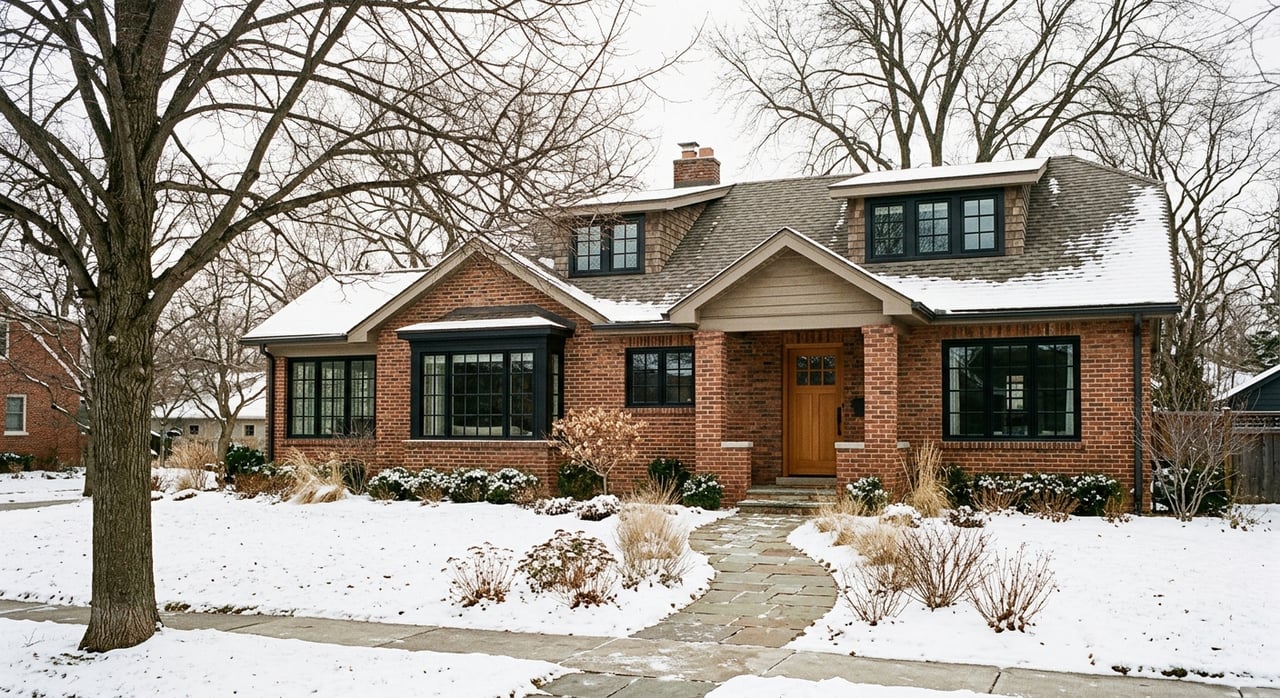
At the same time, nearby residential blocks add another layer to the neighborhood. The adjacent Reno Park historic district was designed to preserve a traditional single-family pattern, with smaller narrow lots, landscaped front yards, homes set back from sidewalks, and mostly alley-loaded garages. The city also notes that many of the buildings there were built in the 1800s.
That blend is a big part of Olde Town’s appeal. You can find a more compact, mixed-use environment near the commercial core while still being close to older residential streets with historic character. For buyers who want walkability without giving up the feel of a neighborhood with real residential roots, that balance stands out.
How Olde Town Fits Arvada Pricing
While neighborhood-specific pricing can vary block by block and by property type, citywide Arvada data helps provide useful context. Arvada’s 2024 housing needs report says that from January 2022 to May 2023, about 3,600 homes sold citywide. Nearly three in four of those sales were single-family detached homes, while 19% were duplexes or townhomes and 8% were condos.
That same report found condos were the most affordable category, with a median sale price of about $351,500, while detached homes had a median around $638,700. For buyers focused on Olde Town, that matters because the area includes a wider range of housing forms than many surrounding neighborhoods. Depending on your goals, that can open different entry points into the Arvada market.
The U.S. Census Bureau’s current QuickFacts for Arvada adds more citywide backdrop, showing a 75.3% owner-occupied housing rate, a median owner-occupied value of $632,600, and a median gross rent of $1,888 for 2020 through 2024. These are not Olde Town-only numbers, but they help frame the broader market you are shopping within.
Who Olde Town May Suit Best
Olde Town tends to make sense for buyers who want more than square footage alone. If you value being able to walk to local businesses, stay connected to transit, and live in a place with both historic identity and a mixed-use core, this area checks a lot of boxes. It can also appeal to buyers who want a lower-rise, main-street setting instead of a denser loft-style environment.
That does not mean it is the right fit for everyone. If you want large lots, newer subdivision patterns, or a more auto-oriented setup, other parts of Arvada may line up better. But if your ideal neighborhood includes a train station, local restaurants, older homes, townhomes, and a real sense of place, Olde Town deserves a close look.
What Buyers Should Notice On Tour
When you visit Olde Town, pay attention to more than the storefronts. Look at how the residential blocks connect to the commercial core. Notice how easy it feels to walk from housing to transit, and whether that matches your day-to-day routine.
You should also compare different housing types with your priorities in mind. A condo or townhome closer to the center may offer more convenience and less maintenance. A detached home on a nearby residential block may offer more space and a different streetscape while still keeping Olde Town close.
A few things to watch for during a tour include:
- Walking distance to the station, restaurants, and daily stops you would actually use
- Parking rules and how they fit your household needs
- Block-by-block differences between mixed-use areas and nearby historic residential streets
- Home condition, especially in older properties where renovation needs may affect budget and timing
- How the area feels at different times of day, including weekday mornings and evenings
Why Olde Town Stands Out
Olde Town Arvada offers something many buyers are chasing right now: a neighborhood that feels lived in, connected, and practical. Its walkability is supported by planning, its transit access is real, and its housing mix gives buyers more than one path into the area. That combination is a big reason it continues to attract attention.
If you are weighing Olde Town against other northwest Denver-area neighborhoods, the question is not just whether it is walkable. The better question is whether its version of walkable living fits the life you want to build. For many buyers, the answer is yes.
If you want help comparing blocks, property types, or renovation potential near Olde Town Arvada, Camp Fire Real Estate can help you sort through the details with a neighborhood-first approach.
FAQs
How walkable is Olde Town Arvada for everyday living?
- Olde Town’s walkability is supported by its compact downtown layout, pedestrian-oriented planning, and a mix of homes, shops, restaurants, and transit within a small area.
Can you live car-light in Olde Town Arvada?
- For some households, yes. Olde Town has the G Line, six bus routes, and a shared transit hub, which can make it possible to rely less on a car depending on your commute and daily routine.
What types of homes are near Olde Town Arvada?
- The area includes historic single-family homes, townhomes, multifamily housing, mixed-use buildings, and nearby residential blocks with older lots and alley-loaded garages.
How far is Olde Town Arvada from Union Station?
- RTD says the G Line ride from Union Station to Olde Town Arvada is about 20 minutes.
Is Olde Town Arvada more urban or suburban?
- Olde Town blends both. Its core is mixed-use and more urban in feel, while nearby residential areas include older detached homes and traditional neighborhood blocks.
What should buyers look at when touring Olde Town Arvada?
- Focus on walkability to places you would use, access to transit, parking rules, block-by-block character, and the condition of older homes if renovation work may be part of your plan.