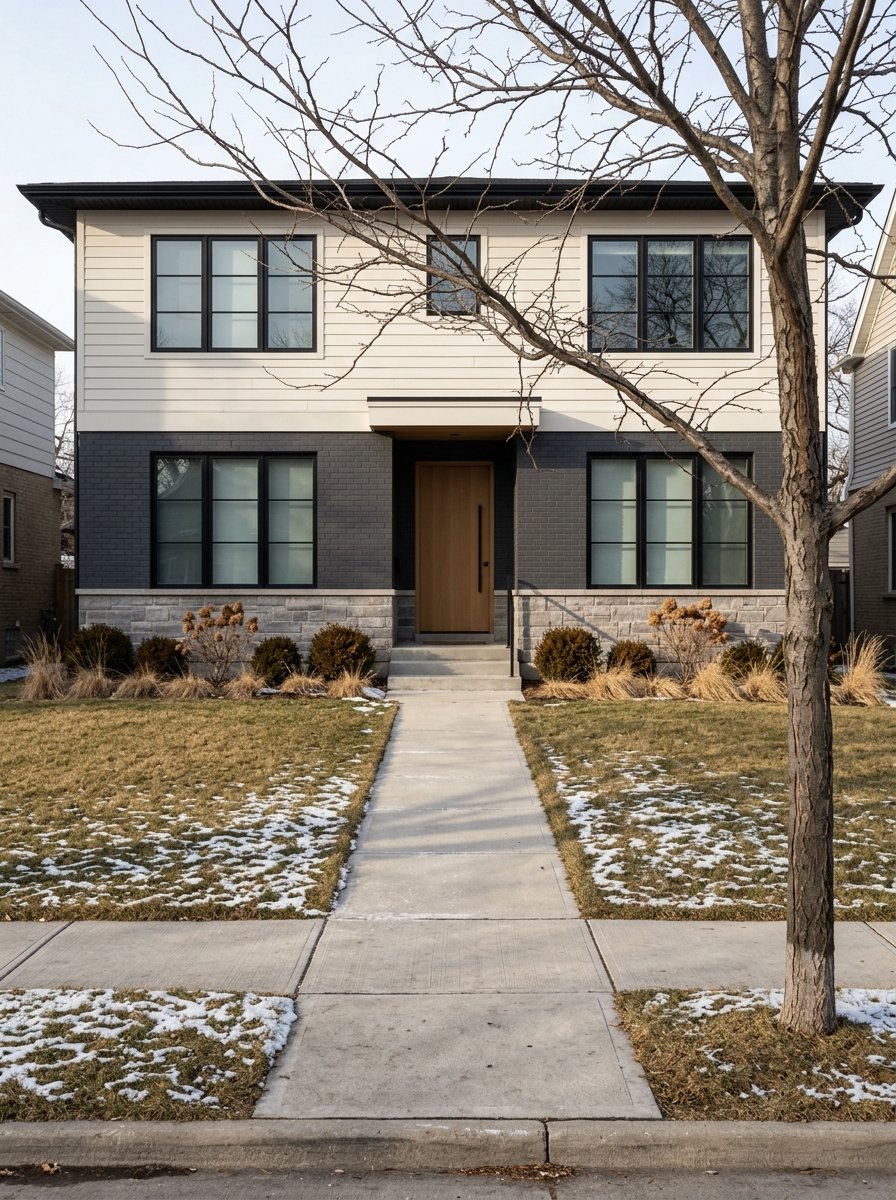
Looking for a family home near City Park can feel simple at first. You picture big trees, easy park days, and a house with room to grow. But once you start touring, you quickly see the real question is not just how close are you to the park? It is which block gives you the right mix of street feel, school options, and usable space. This guide will help you compare homes around City Park with more confidence so you can focus on what fits your day-to-day life. Let’s dive in.
Why City Park Draws Families
City Park is more than a neighborhood amenity. Denver describes it as the city’s largest urban park at more than 300 acres, with tennis courts, athletic fields, paths, an event venue, the Denver Zoo, and the Denver Museum of Nature & Science.
That scale matters when you are choosing where to live nearby. For many buyers, the value is not just the park itself, but how easily your block connects to walks, play time, and everyday outings.
Denver also notes that City Park serves the region and the eight neighborhoods around it. That helps explain why buyers often compare homes by street access, traffic patterns, and block feel instead of thinking only in terms of being directly next to the park.
Compare Blocks, Not Just Boundaries
Around City Park, one block can feel very different from the next. The strongest approach is to treat the area as a block-by-block market and compare each home in context.
A home near a calm interior street may feel quieter and more residential. A home closer to a major corridor may offer easier through-access, but it can also come with more traffic, noise, and busier crossings.
If you are buying for family life, this is where the search gets more practical. Your best fit often comes from balancing convenience with the kind of daily rhythm you want once you move in.
Streets Near City Park: Calm vs Busy
Interior Streets Often Feel Quieter
Historic Denver’s survey of City Park West gives a useful picture of the street variation buyers can expect around City Park. It describes East 17th and East 18th Avenues as wide one-way arterials, while nearby side streets are much narrower.
That kind of layout can shape how a block feels. Interior residential streets are more likely to feel calmer, while homes on or near larger roads often trade some quiet for easier access.
Corridors Bring Convenience and Activity
When you tour homes near Colfax, 17th, 18th, York, Colorado Boulevard, or Park Avenue, pay attention to how the street functions. Denver’s East Central Area Plan says pedestrian conditions on many neighborhood or collector streets can feel uncomfortable because of vehicle speeds, congestion, parking, and sidewalk widths.
That does not make those locations a poor fit. It simply means you should weigh convenience against how the street feels when you walk it, cross it, or load kids and gear into the car.
Parkway Streets Have a Different Feel
Some streets near City Park benefit from Denver’s parkway system. Streets like City Park Esplanade, 17th Avenue Parkway, and Montview Boulevard can feel greener and more open because of tree lawns and front-yard setbacks.
For buyers, that can create a more park-like streetscape and a stronger sense of separation from traffic. It can also make curb appeal and outdoor frontage feel more generous than the lot size alone might suggest.
Park Access Is Great, But Check Circulation
Living close to City Park can make everyday life easier. You may be able to walk to trails, green space, or major destinations without planning a full outing.
At the same time, park access is not static. Denver Parks and Recreation is actively redesigning west-side park roadways to simplify vehicle circulation and create more pedestrian and bicycle space, with other roadway, waterway, and habitat work also underway or recently completed.
If a home search depends on a certain park entrance, loop route, or nearby trail segment, check current access patterns before you make assumptions. A block that looks ideal on the map may function a little differently during active project work.
Schools Near City Park Require Address-Level Research
There Is No One School Answer
For family buyers, the school question around City Park is important, but it is not always straightforward. Denver Public Schools uses a SchoolChoice system, and school fit can depend on the exact address, grade level, and whether you are considering boundary or magnet options.
That means you should verify each property individually. Two homes that seem close together may not lead to the same school path.
Nearby Public Options Families Often Consider
Families searching around City Park often look at options such as:
- East High School at 1600 City Park Esplanade
- Morey Middle School at 840 East 14th Avenue
- Teller Elementary in Congress Park, which serves ECE-4 through 5th grade and operates as an integrated Gifted and Talented magnet school
- Denver School of the Arts on Montview Boulevard, a public magnet school for grades 6-12 with application and audition requirements
These are not interchangeable options. Some are neighborhood-based, while others involve choice, application, or audition.
Verify Before You Buy
Denver Public Schools notes that K-5 students are guaranteed a seat at their neighborhood or boundary school, while families outside the boundary can apply through choice. For buyers, the takeaway is simple: verify the address before assuming a school assignment.
If school planning is a major part of your move, build that step into your home search early. It can help you avoid narrowing in on a home that does not match your school goals.
What “Space” Really Means Near City Park
Older Housing Stock Brings Variety
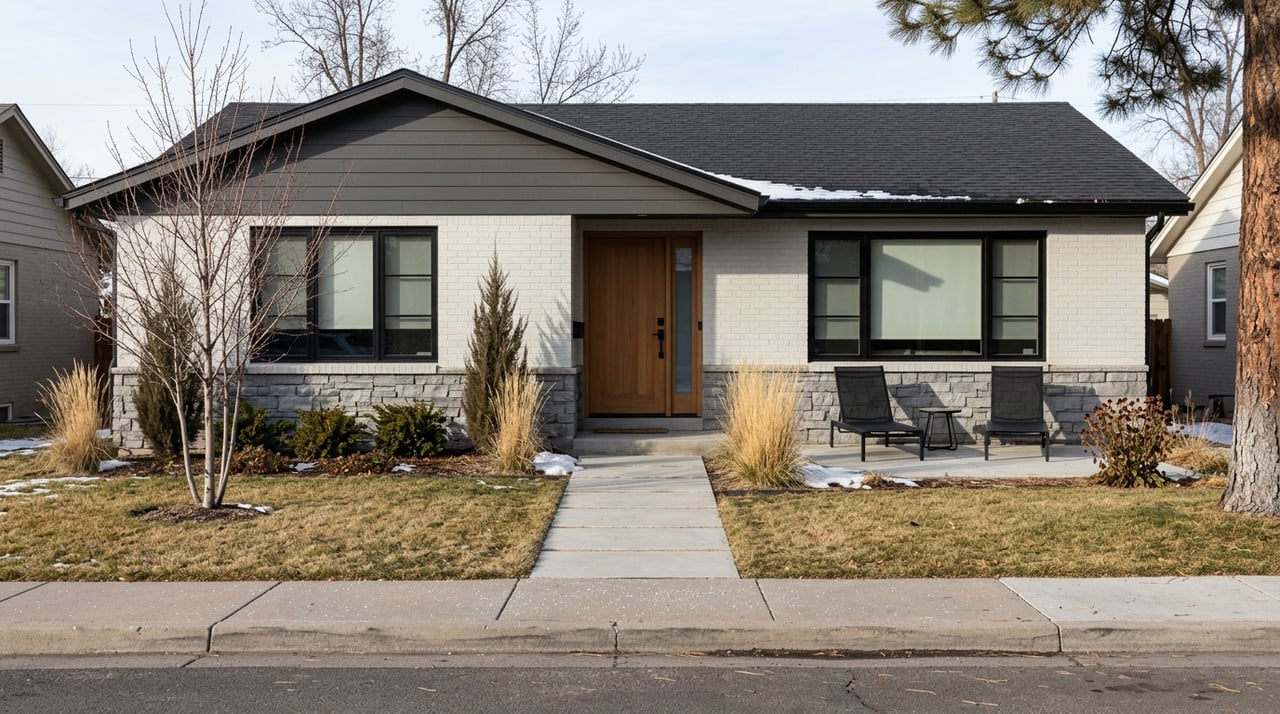
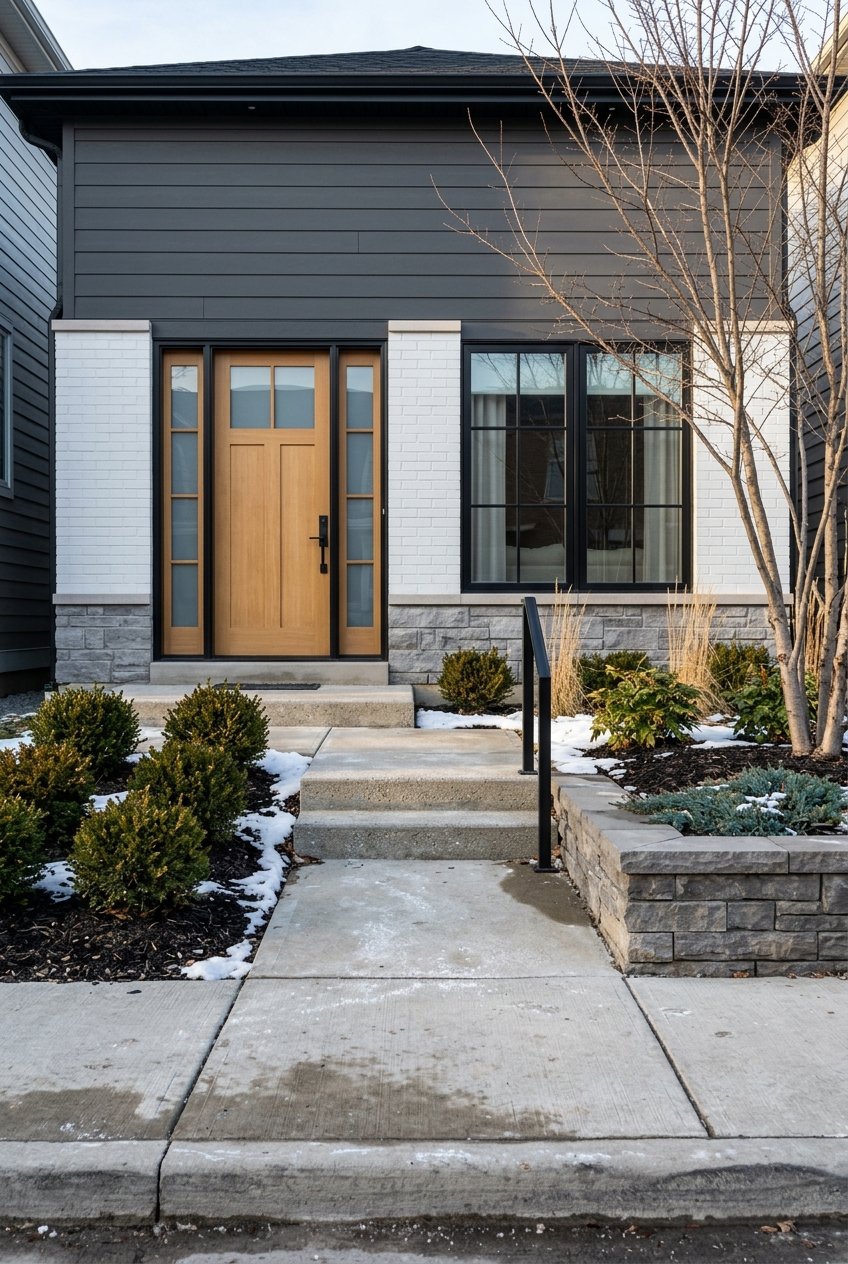
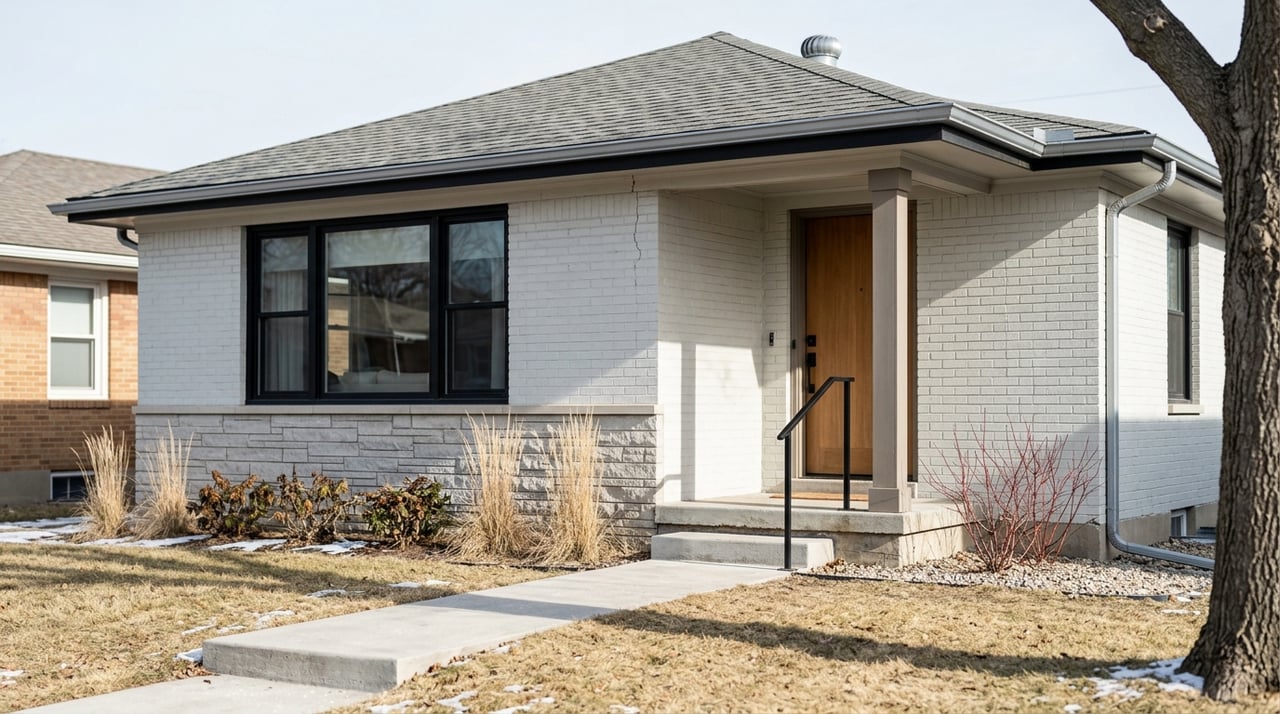
The homes around City Park are more mixed than many buyers expect. Historic Denver’s surveys describe an area shaped by late-19th- and early-20th-century single-family homes and rowhomes, including Victorians, Craftsman bungalows, Colonial Revival homes, and foursquares.
You will also see duplexes, apartments, ranches, split-levels, and newer infill, especially closer to larger streets. In South City Park, Historic Denver found that most buildings were constructed between 1900 and 1929, with single-unit homes making up the majority and multi-unit buildings consisting mainly of duplexes and apartment buildings.
Square Footage Is Only Part of the Story
A family-sized home near City Park might be a detached house, rowhome, duplex, or a converted older property. Because of that, square footage alone does not tell you how the home will live day to day.
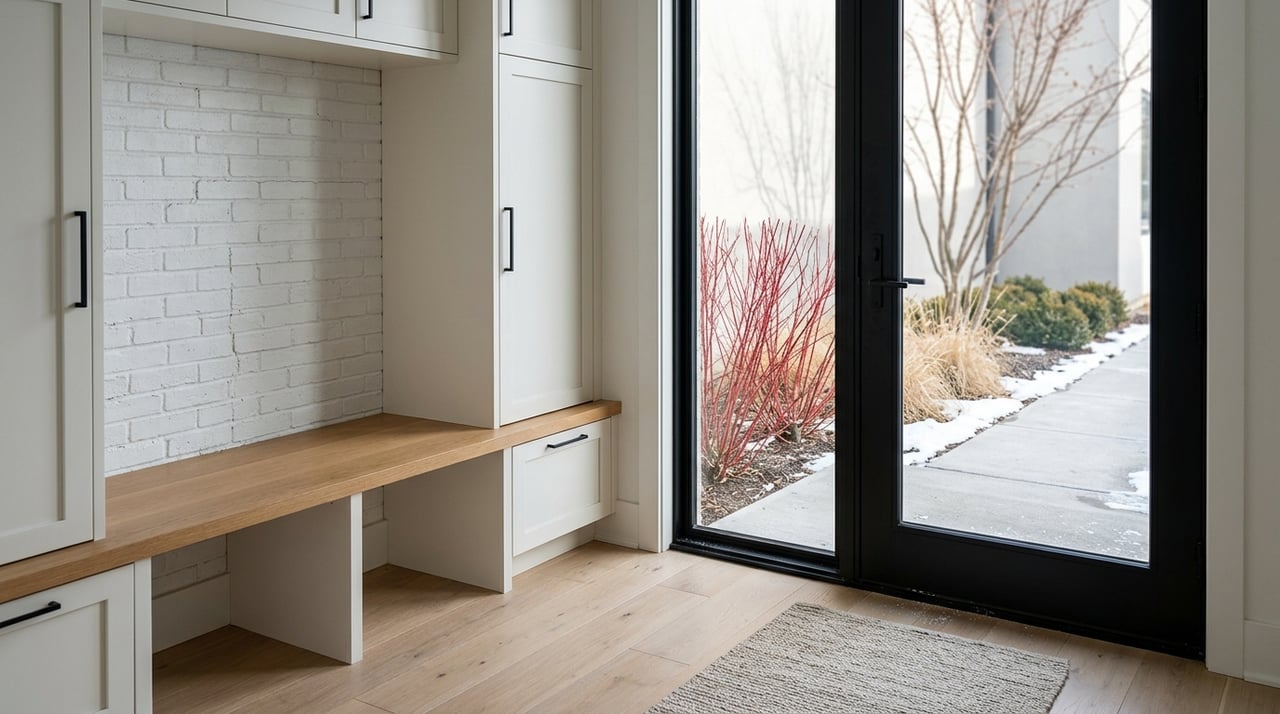
Look at the layout carefully. Think about whether the home gives you usable storage, room for strollers or sports gear, play space, and enough separation for work, sleep, and busy family routines.
Outdoor Space Can Vary a Lot
Denver’s East Central Area Plan notes that missing middle housing such as duplexes, triplexes, and rowhouses can still be family-friendly, especially when they offer yards and a residential setting without the scale of larger apartment buildings on commercial corridors.
That is a helpful lens for City Park buyers. Instead of asking only whether a home is a house or condo, ask whether the outdoor space is truly usable and whether the block feels residential enough for the way you want to live.
Renovation Potential Comes With Rules
Older homes near City Park can offer character and opportunity, but they also deserve a closer look if you expect to change them over time. If a property sits on a designated parkway, Denver notes that it may be subject to building-line restrictions.
That can matter if you hope to add on, rework the front yard, or make major exterior changes later. Some homes may also fall within areas where Denver’s Landmark Preservation office reviews exterior work on local landmarks and historic districts.
For buyers who want room to evolve in place, this is worth checking before you fall in love with a future renovation plan. A great block and a charming facade do not always mean total flexibility.
A Smart Family Home Checklist
When you compare homes near City Park, keep your focus on the details that affect real life most:
- Is the home on a quiet interior street or near a major corridor?
- How easy is it to reach the part of City Park you will actually use?
- Have you verified the school path for the exact address?
- Does the lot or outdoor area feel usable for your routine?
- Does the layout support family life, not just the bedroom count?
- Are there parkway or preservation rules that could affect future changes?
This kind of checklist helps you move past first impressions. It keeps the search grounded in how a home will function after move-in day.
The Best City Park Home Is Personal
There is no single formula for the right family home near City Park. Some buyers want direct park access and are comfortable with a busier setting. Others would rather give up a few minutes of walking for a quieter block and a little more breathing room.
That is why local guidance matters here. The strongest choice usually comes from matching your family’s routine to the right street, school strategy, and home layout, not from chasing a neighborhood name alone.
If you are weighing homes around City Park, Camp Fire Real Estate can help you compare blocks, property types, and long-term fit with a local, practical lens.
FAQs
What should you look for on streets near City Park in Denver?
- Focus on whether the home sits on a quieter interior street or near major corridors like Colfax, 17th, 18th, York, Colorado Boulevard, or Park Avenue, since street feel can vary a lot block by block.
How do school options work for homes near City Park?
- School options depend on the exact address, the student’s grade level, and whether you are considering a boundary school, a choice enrollment path, or a magnet option such as Denver School of the Arts.
What kinds of family homes are common near City Park?
- Buyers will find a mix of older single-family homes, rowhomes, duplexes, apartments, and some newer infill, with many structures dating from the early 1900s.
Why do parkway streets near City Park stand out?
- Parkway streets can feel greener and more open because of tree lawns and front-yard setbacks, though some properties on those streets may also have building-line restrictions.
Why is usable space different from square footage near City Park?
- Homes in this area come in many forms, so a larger size on paper may not always mean better storage, privacy, yard access, or an easier family layout.
Should you check park projects before buying near City Park?
- Yes, because Denver is actively working on roadway, trail, waterway, and habitat projects in and around City Park, which can affect circulation and access patterns.